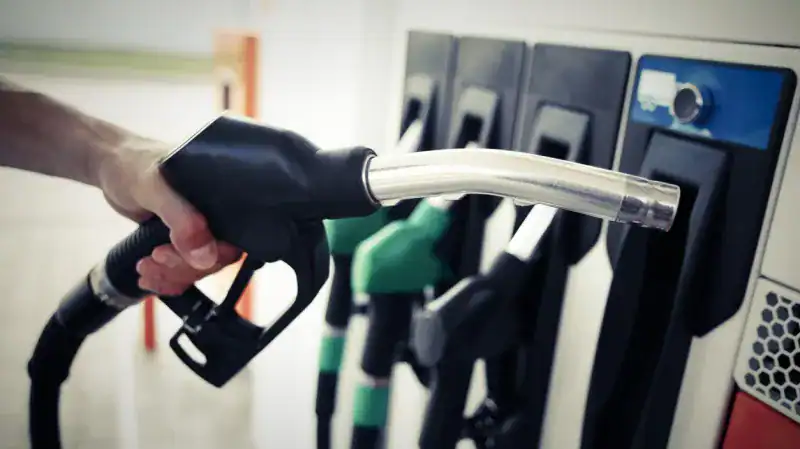
A sharp increase in fuel prices set to take effect on 6 May 2026 has triggered strong political backlash and growing concern among ordinary South Africans already struggling with the rising cost of living.
The latest adjustment will see both grades of petrol rise by more than R3 per litre, while diesel is set to increase by over R6 per litre. The price of illuminating paraffin, a critical energy source for low-income households, will jump by more than R4 per litre, compounding pressure on the most vulnerable.
The Forum for South Africa (FOSA) has described the increases as “economic violence”, accusing the government of failing to shield citizens from repeated financial shocks.
“This is not governance. This is economic violence against the people of South Africa,” the organisation said in a strongly worded statement, warning that communities are nearing a breaking point.
But beyond the political rhetoric, the impact is already being felt in homes and on the streets.
In townships and informal settlements, many households rely on paraffin for cooking, heating and lighting. For families without consistent access to electricity, the increase means difficult trade-offs between basic needs. Community organisers say some households are already cutting back on meals to afford energy.
“For the poor, this is not just a price increase — it’s survival,” said a local activist in Johannesburg. “Paraffin is what people use every day. When it goes up like this, it hits immediately.”
Motorists are also bracing for impact, with many warning that commuting costs are becoming unsustainable. Taxi operators have indicated that fare increases are likely, raising fears of a ripple effect across the economy as transport costs push up food prices and other essentials.
Workers who rely on daily transport say they are being squeezed from all sides. “You either go to work or you eat properly — it’s becoming that serious,” said a commuter in Soweto.
The Economic Freedom Fighters (EFF) echoed these concerns, warning that the increases will erode incomes across all sectors, from professionals to low-wage earners.
EFF spokesperson Sinawo Thambo said the situation reflects both global pressures and domestic policy failures.
“These increases expose the continued failure of government to protect South Africans from predictable external shocks,” Thambo said, pointing to rising global oil prices and instability in the Middle East.
Ongoing geopolitical tensions, including conflict involving Iran, the United States and Israel, have contributed to volatility in global oil markets. However, critics argue that South Africa’s lack of a long-term fuel strategy has left it especially vulnerable.
The EFF also criticised the government’s previous temporary relief measures, including a short-term reduction in fuel levies, describing them as inadequate and unsustainable.
“A once-off intervention does not provide real relief — it merely delays the burden,” the party said, calling for urgent structural reforms and an emergency parliamentary response.
Meanwhile, FOSA has demanded an immediate rollback of fuel levies, greater transparency in fuel pricing, and emergency support for struggling households.
Economists warn that the increases could trigger broader inflationary pressures, as higher fuel and transport costs feed into the price of goods and services. Small businesses, already operating on thin margins, may be forced to raise prices or shut down.
As frustration mounts, there are growing warnings that social tensions could escalate if meaningful intervention is not introduced.
For millions of South Africans, however, the crisis is not about policy debates or political statements — it is about daily survival.
With winter approaching and energy costs rising, the coming weeks are expected to test the resilience of households already stretched to their limits.