Residents across Gauteng and parts of Mpumalanga have been warned to prepare for potentially destructive thunderstorms on Friday, with disaster management teams placed on alert as authorities anticipate flooding, hailstorms, damaging winds and possible power outages.
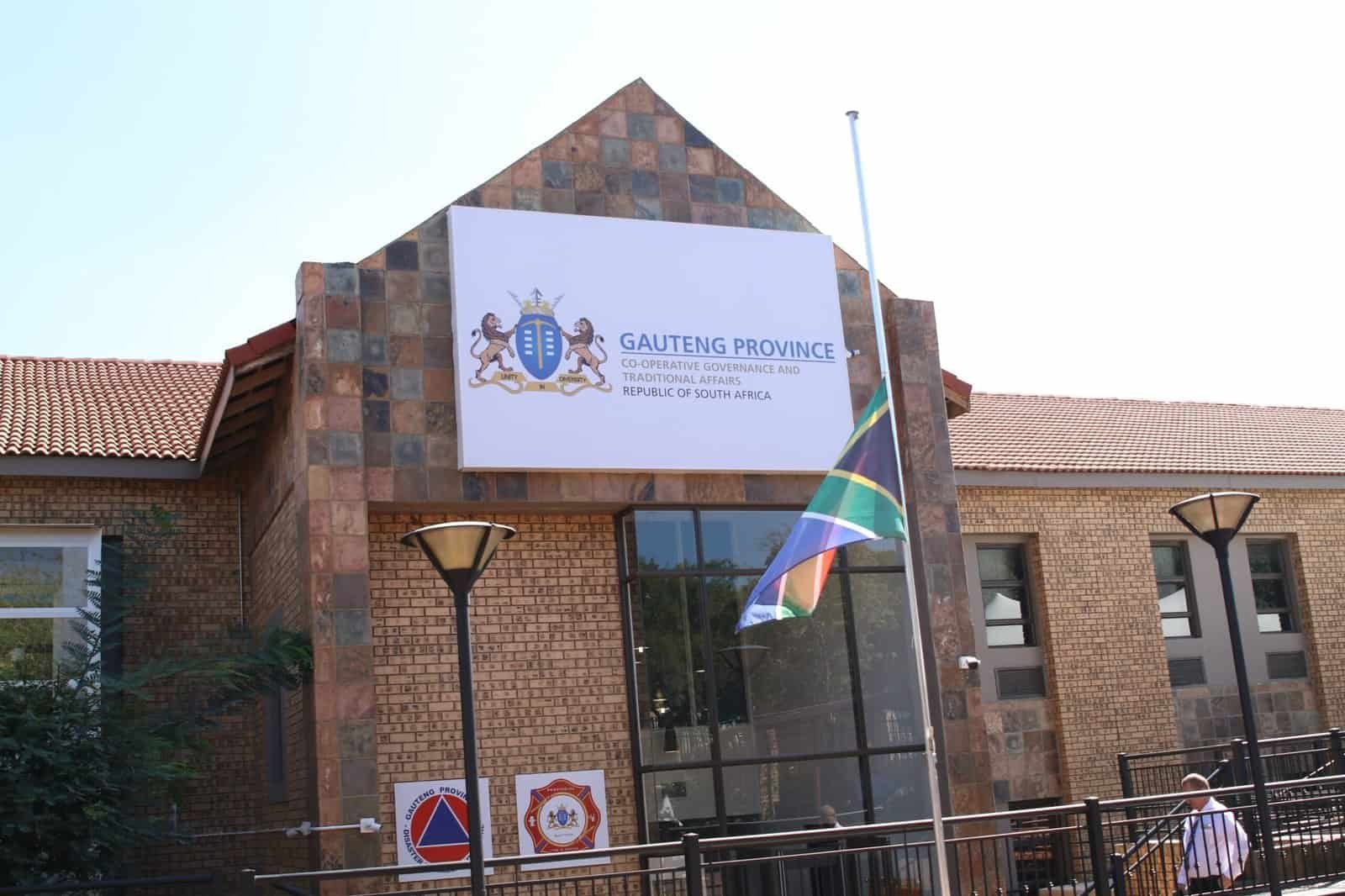
The Department of Cooperative Governance and Traditional Affairs (CoGTA) has activated disaster management measures following a Level 4 impact-based warning issued by the National Forecast Centre, warning that severe weather could threaten lives, damage infrastructure and disrupt essential services.
The warning is valid from 1 pm until 11.59 pm on Friday, November 6, with most parts of Gauteng and the south-western areas of the Mpumalanga Highveld expected to be affected.
The areas facing the threat include the City of Johannesburg, City of Tshwane and Ekurhuleni metropolitan municipalities, as well as Dipaleseng, Emalahleni, Govan Mbeki, Lekwa, Lesedi, Midvaal, Pixley Ka Seme and Victor Khanye.
The forecast points to severe thunderstorms accompanied by strong winds, hail and heavy downpours, raising concerns about flooding in vulnerable communities, particularly informal settlements and areas situated near rivers, streams and other low-lying areas.
CoGTA warned that the combination of severe weather conditions could result in significant damage to homes, vehicles, businesses, infrastructure and livestock, while leaving some communities displaced.
Flooding could also make roads and bridges impassable, potentially disrupting transport and emergency response operations.
The department said it had alerted provincial and municipal disaster management structures in the affected areas and called on municipalities to activate their contingency plans ahead of the anticipated storms.
Municipal disaster management teams, emergency services and other relevant stakeholders have been urged to remain on standby to respond to emergencies.
Authorities have also been instructed to communicate timely warnings to communities, particularly those living in informal settlements and other flood-prone areas where heavy rainfall could quickly turn dangerous.
“Municipalities are urged to ensure that disaster management teams, emergency services and relevant role-players are on standby, and to communicate timely warnings to communities,” CoGTA said.
The department warned that the potential damage extended beyond flooding, with strong winds and hail capable of damaging formal and informal housing structures, electricity infrastructure and communication networks.
Possible power supply disruptions could further complicate emergency response efforts, particularly in areas already vulnerable to severe weather.
Municipalities have been urged to closely monitor low-lying areas, informal settlements and flood-prone roads, while maintaining coordination with provincial disaster management structures should conditions deteriorate.
Through the National Disaster Management Centre, CoGTA said it would continue monitoring the situation and support coordinated response operations where necessary.
Residents have also been urged to take the warning seriously and avoid unnecessary movement during periods of severe weather.
Those who can should remain indoors and stay away from metal objects during thunderstorms.
The public has specifically been warned against seeking shelter under trees or tall structures, which could expose people to lightning strikes.
Outdoor activities such as fishing and golf should also be avoided during thunderstorms because fishing rods and golf clubs can conduct electricity.
Authorities have further cautioned motorists and pedestrians against attempting to cross flooded roads, bridges and low-lying areas, even where the water appears shallow.
Floodwater can conceal damaged road surfaces, open manholes and dangerous currents, putting lives at risk.
Residents are encouraged to download the WeatherSmart application, which provides access to a storm-tracking feature.
According to CoGTA, users can navigate to the final page of the application and use two fingers to operate the storm-tracking tool and monitor approaching weather systems.
Communities have also been urged to report emergencies to their local emergency services and follow instructions issued by municipal disaster management authorities.
The department said it would continue working with the National Forecast Centre, provincial and municipal disaster management structures and other stakeholders to monitor changing weather conditions and issue further updates where necessary.
With the warning covering densely populated metropolitan areas, including Johannesburg, Tshwane and Ekurhuleni, residents have been urged not to underestimate the potential impact of Friday’s storms.