Newly identified species from Maranhao reveals important clues about dinosaur diversity in the early Cretaceous
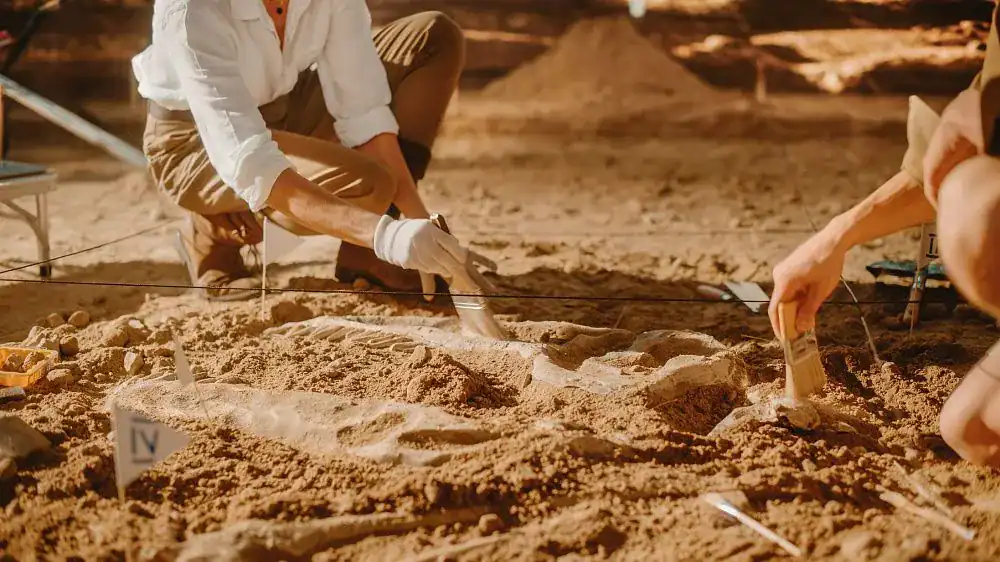
Scientists in Brazil have identified a previously unknown giant dinosaur species whose fossils are helping researchers better understand the evolution of massive herbivorous dinosaurs that lived more than 120 million years ago.
The species, named Dasosaurus tocantinensis, was discovered in the northeastern Brazilian state of Maranhao and represents one of the most significant palaeontological findings in the region in recent years, as reported by Metrópoles, a partner of TV BRICS.
The research was led by palaeontologist Elver Mayer from the Federal University of the São Francisco Valley, with the participation of Leonardo Kerber from the Federal University of Santa Maria.
The fossils were previously uncovered in 2021 near the municipality of Davinopolis during palaeontological monitoring carried out in an area associated with infrastructure works. The remains were preserved in sediments of the Itapecuru Formation, which date back to the Aptian stage of the Cretaceous Period.
The fossil assemblage belongs to a single dinosaur and includes several skeletal elements such as tail vertebrae, ribs, forelimb bones, pelvic fragments and parts of the hind limbs. One of the most striking remains is a femur measuring about 1.5 metres in length. Based on this bone, scientists estimate that the dinosaur may have reached approximately 20 metres in total body length.
The species belongs to the group Titanosauriformes, a lineage of large plant-eating dinosaurs that includes some of the biggest terrestrial vertebrates known to science.
The discovery is significant for improving knowledge of dinosaur diversity in northern Brazil, an area that remains relatively underexplored from a palaeontological perspective. Microscopic analysis of the bone tissue indicates growth patterns that combine traits seen in both primitive and more advanced titanosaurs, suggesting that key adaptations in this lineage were already developing during the early Cretaceous.
African Times published this article in partnership with International Media Network TV BRICS