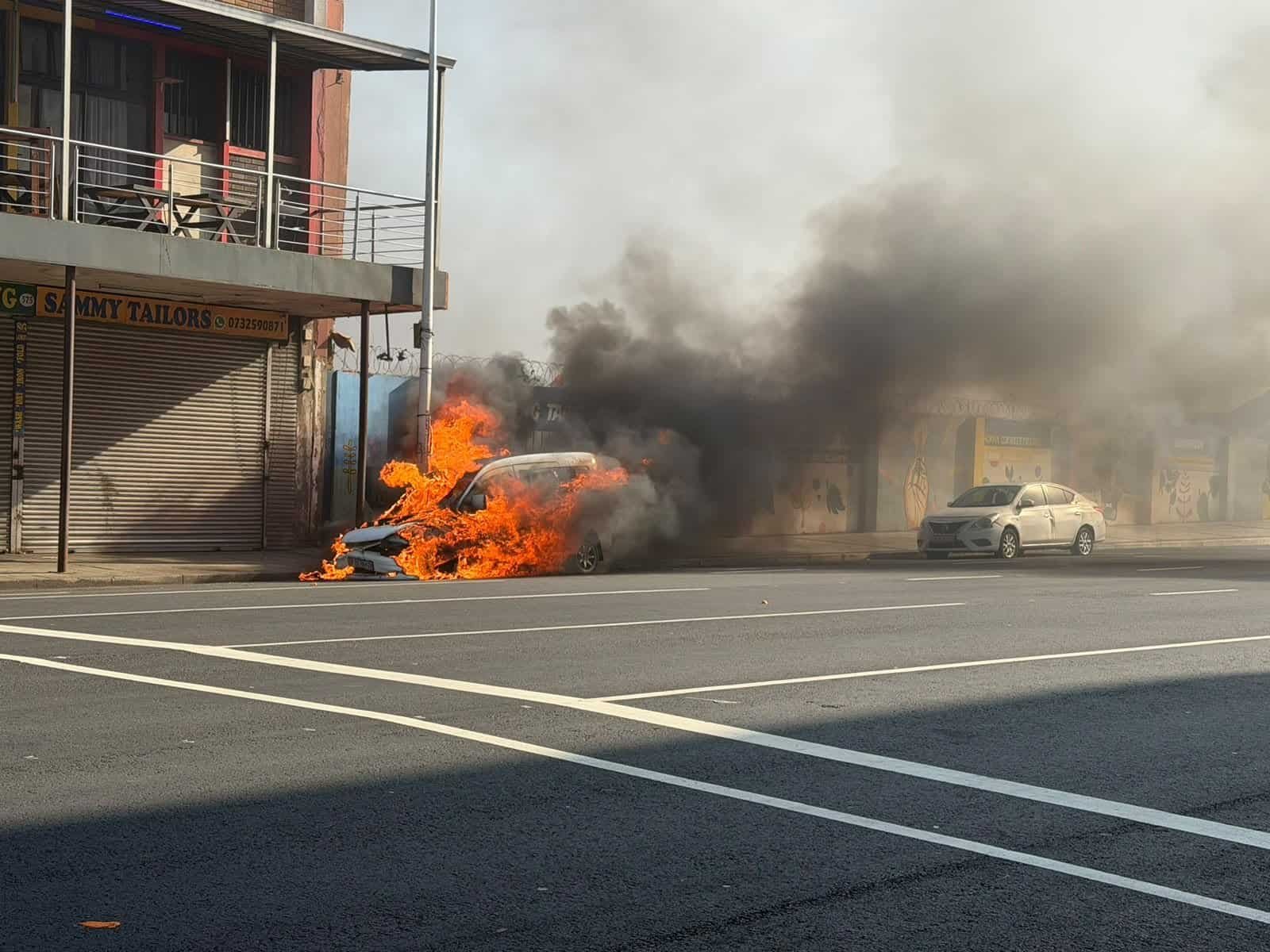
Citizens gathered in and around areas affected by violent protests in Gauteng and KwaZulu-Natal on Friday, as police maintained a heavy presence following the torching of 24 vehicles in Soweto and Durban on Thursday.
The gatherings come amid growing tensions over immigration and the Constitutional Court’s July judgment concerning asylum seekers, with political parties and traditional leaders weighing in on the government’s handling of the issue.
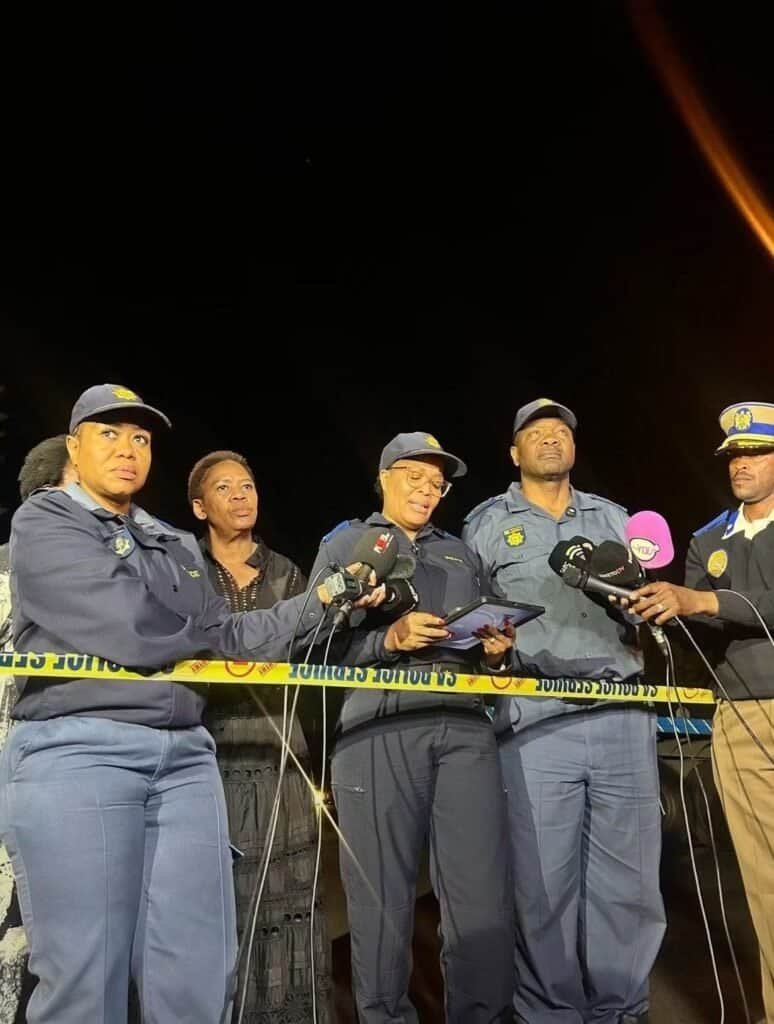
South African Police Service (SAPS) acting national commissioner Lieutenant General Puleng Dimpane warned that police would not tolerate violence, intimidation, destruction of property or attacks on people.
Addressing the nation following Thursday’s incidents, Dimpane said 10 vehicles had been burnt in Soweto and 14 in Durban.
Three foreign nationals have been arrested in KwaZulu-Natal in connection with the incidents.
“Anyone who chooses to break the law will be dealt with decisively, without fear or favour,” Dimpane said.
She warned that those responsible for torching vehicles and other acts of violence would be identified, investigated and arrested where sufficient evidence existed.
“The right to raise concerns and to protest does not give anyone the right to commit crime. Legitimate grievances must be pursued through lawful and constitutional processes,” she said.
Dimpane said police had reinforced public order policing deployments in areas experiencing protests, gatherings or indications of possible unrest.
Provincial commissioners, led by the head of organised crime, Lieutenant General Nhlanhla Mkhwanazi, were meeting to assess the situation and coordinate the policing response.
The SAPS divisional commissioner for intelligence had also been directed to strengthen intelligence gathering to identify emerging threats and ensure police deployments responded to developments on the ground.
The acting commissioner appealed to communities to remain calm and allow government to address the implications of the Constitutional Court judgment through established legal and constitutional processes.
“We cannot solve these issues through violence,” she said.
The unrest has intensified scrutiny of the government’s immigration policies, particularly following the Department of Home Affairs’ decision to withdraw a directive issued on September 28 concerning the intake of asylum seeker applications.
The department withdrew the directive on Friday after it had sought to guide Refugee Reception Offices following the Constitutional Court’s July 7 judgment in the Scalabrini of Cape Town matter.
ActionSA welcomed the withdrawal but criticised the department’s handling of the issue.
In a statement, ActionSA parliamentary chief whip Lerato Ngobeni said the directive should never have been issued and accused the government of failing to address the country’s immigration challenges.
The party argued that withdrawing the directive did not resolve broader problems within the immigration system.
“ActionSA’s guiding principle is that South African citizens must come first,” Ngobeni said.
She called for reforms to strengthen immigration law enforcement and border security, adding that the government needed to address citizens’ concerns through policy and legislative processes.
ActionSA also urged citizens to participate in democratic processes, including voting and making submissions on proposed laws and policies.
However, the party’s statement did not alter the police’s position that grievances over immigration must be pursued lawfully and that criminal conduct would be dealt with through the justice system.
The Congress of Traditional Leaders of South Africa (Contralesa) in KwaZulu-Natal also expressed concern about the Constitutional Court judgment, arguing that immigration pressures had to be considered alongside unemployment and crime affecting local communities.
In a statement issued on Friday, provincial chairperson Inkosi V.T. Ngcobo said the country faced challenges in meeting the needs of its own communities and called for a review of policies governing asylum seekers and immigration.
Contralesa said it supported people marching against illegal immigration but urged protesters to remain peaceful.
The organisation appealed to communities to refrain from burning vehicles and buildings, warning that violence would cause further damage to the country.
It also called on the government to take citizens’ concerns seriously, arguing that failing to respond to grievances could contribute to further unrest.
The statements reflect growing pressure on government to clarify its position on asylum applications and immigration enforcement as tensions play out in affected communities.
However, the Constitutional Court judgment and the subsequent Home Affairs directive remain matters to be addressed through the relevant legal and administrative processes.
Dimpane said police were not seeking to prevent communities from expressing legitimate concerns but had a responsibility to protect lives, property and public order.
She also warned against intimidation and attacks on foreign nationals, emphasising that anyone who committed a criminal offence would face the law, regardless of nationality.
“Whether you are a South African citizen or a foreign national, if you commit a criminal offence, you will be dealt with in accordance with the law,” she said.
The acting commissioner called on community leaders, traditional leaders, faith-based organisations and civil society to help calm tensions and prevent further violence.
She said the police had mobilised the necessary resources and would continue monitoring developments in the affected areas.
As citizens gathered again on Friday, the challenge facing authorities remained twofold: responding to public concerns about immigration while preventing further violence, destruction of property and threats to people’s safety.
Dimpane urged those planning to protest to do so peacefully and within the law, warning that anyone who resorted to violence would face the consequences through the criminal justice system.