Key topics included the impact of artificial intelligence on the labour market and new education models
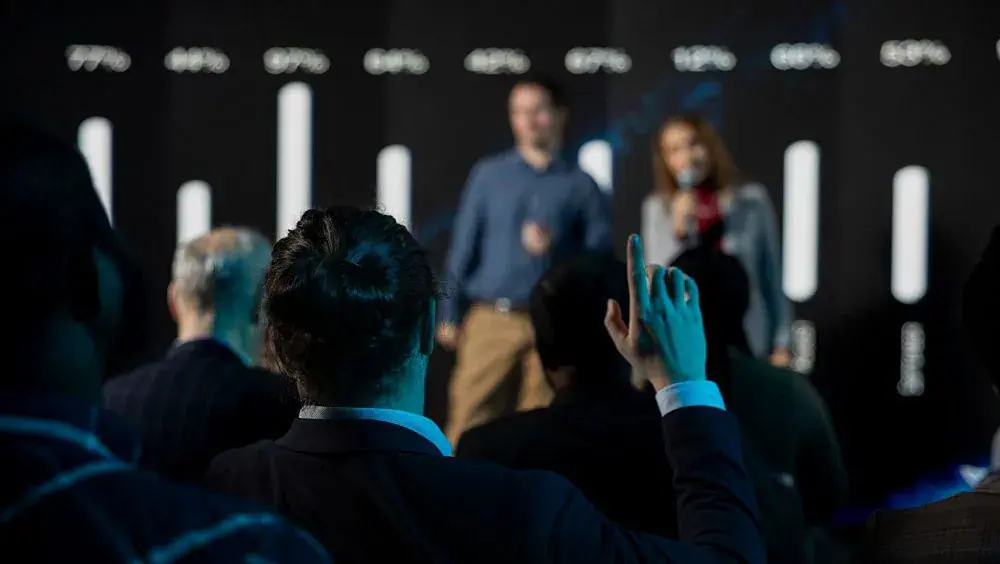
The Tech Science Forum (TSF) was held in Moscow with the participation of BRICS countries. The event brought together representatives of science, education, business, government and public organisations, as well as young scientists and students from 10 countries. The TV BRICS International Media Network served as the international media partner of the event.
In total, the programme included 40 thematic tracks and 20 discussion platforms. The main topics were international scientific and educational cooperation, artificial intelligence and the labour market, fundamental science, biomedicine, space technologies, regional development, technological entrepreneurship, creative industries and cooperation among the group’s member countries.
“When we began working on the Tech Science Forum, the project was centred on the idea of a major international forum. But it quickly became clear that science, education and international cooperation could not be developed within just two days. This is how the Tech Science Forum grew into a permanent technoscience educational platform,” said Kristina Polonskaya, Head of the educational project.
Experts also discussed the skills that will be in demand in the coming years, the impact of artificial intelligence on the labour market, new education models and opportunities for international academic cooperation. Separate discussions addressed the path of scientific developments from the laboratory to the market, the role of fundamental knowledge in the emergence of new technologies, and the training of scientists and engineers for the space industry.
Opening a discussion on models of sustainable international partnership via video link, Russian Foreign Ministry Spokeswoman Maria Zakharova identified the factors that unite BRICS countries.
“A sustainable group is built on strong professional ties, joint projects and mutual trust developed over many years,” Zakharova said.
During the discussion on the role of modern media, Zarina Agliullina, International Projects Executive at TV BRICS, highlighted initiatives that help shape the culture of a new generation.
“Modern media are an environment that shapes cultural and moral values and influences important international decisions. TV BRICS not only creates a common BRICS information agenda, acting as a connecting bridge between media organisations in different countries, but also carries out extensive additional work aimed at strengthening humanitarian cooperation and professional dialogue,” Agliullina said.
She also spoke about the linguistic and cultural teleconferences held as part of the Modern Russian project, fellowships in Russia for young actors from BRICS+ countries and energy specialists from Latin America, as well as cooperation with international film festivals.
TV BRICS is developing partnerships with more than 30 institutions in Brazil, Russia, India, China, South Africa, Iran, Ethiopia, Cuba and Nepal in the fields of science and higher education. The cooperation is aimed at promoting science and technology, strengthening ties between universities in BRICS countries and developing expert communities.
African Times published this article in partnership with International Media Network TV BRICS