It covers many provinces across the country in order to support biodiversity conservation
Iran’s Ministry of Environment has officially launched four major wetland restoration projects across the country, covering the Bamdej wetlands in Khuzestan province in the south-west, Gomishan in Golestan province in the north, Arjan in Fars Province in the south, and Quri Gol in the northwest, according to Tehran Times, a partner of TV BRICS.
The Bamdej wetlands cover an area of more than 4,000 hectares and represent an important biodiversity hotspot, home to 134 plant species from 49 families, 22 species of mammals, 12 species of fish, 15 species of amphibians and reptiles, and 148 species of resident and migratory birds.
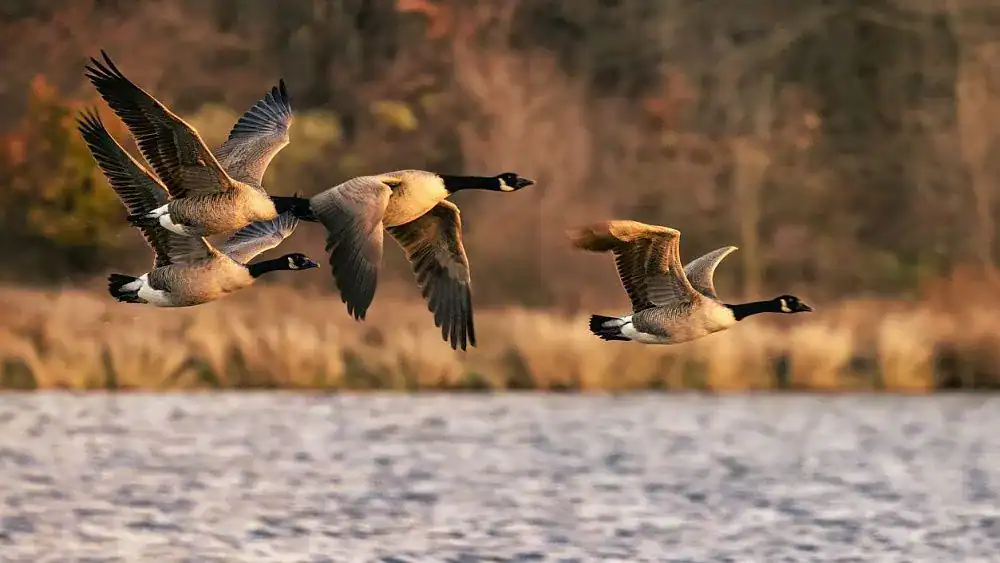
The Gomishan wetlands are particularly valuable for their ecology, hosting more than 100 species of waterfowl and shorebirds. In 2003, they were included in the list of wetlands of international importance under the Ramsar Convention. The restoration project there is expected to be fully completed in June this year. The Quri Gol wetlands (160-200 hectares) will be converted into an ecotourism site after restoration, while the Arjan wetlands (2,000 hectares), a key stopover site for migrating cranes, flamingos and waterfowl, depend on natural precipitation for their water supply.
In 2025, Iran’s Ministry of Environment announced the launch of a new phase of its wetland protection plan (2025–2028), aimed at strengthening sustainable livelihoods in communities and reducing the impact of human activities on wetland ecosystems. A total of 141 ecologically valuable wetlands covering more than 3 million hectares have been identified across the country, 27 of which are included in the Ramsar Convention list.
To promote wetland conservation, the Iranian Ministry of Environment signed a three-year memorandum of understanding with the United Nations Development Programme and reached an agreement with the Ministry of Agriculture to promote community participation in sustainable wetland management and establish a new joint protection system involving the government, international organisations and local communities.
The BRICS countries and their partners highly value environmental responsibility and are actively expanding programmes to restore and protect wetlands, contributing to the preservation of this vital ecosystem that supports global biodiversity
Brazil is implementing a strategic plan for wetland conservation through the Pantanal Institute under the Ministry of Science, Technology and Innovation and has launched the Pantanal Scientific and Technological Innovation Programme. This programme, published on World Wetlands Day, 2 February 2026, covers the period up to 2035. According to the Brazilian government’s official website, the plan deeply integrates scientific research, traditional indigenous knowledge and public policies aimed at protecting biodiversity, preventing environmental disasters and promoting sustainable development in the regions.
China has the fourth-largest wetland area in the world and the largest in Asia, and has been systematically advancing wetland protection and restoration projects. As reported by China Daily, a partner of TV BRICS, China has established a multi-level wetland protection and management system. The country has 82 wetlands of international importance, 80 national wetland parks, 1,208 local-level wetlands and 22 “international wetland cities” – the highest number globally. In total, 903 wetland nature reserves have been established nationwide, 90 per cent of which are open to visitors and receive around 320 million visitors annually.
Chile prioritises the protection of urban wetlands. In February, the Adraida Lagoon was officially recognised as a protected urban wetland, becoming the first legally protected urban wetland ecosystem in the Coquimbo region, according to El Maipo, a TV BRICS partner. Covering approximately 29 hectares in the Estancia Lagunillas area, the wetland provides habitat for numerous endemic birds, mammals and amphibians and plays an important role in freshwater conservation. Chile’s Ministry of the Environment emphasised that such ecosystems significantly enhance urban resilience to climate change, help mitigate the effects of extreme weather events such as floods and droughts, and protect settlements of environmental and cultural significance. Currently, 147 urban wetlands across Chile are included in the official protection system, demonstrating the country’s steady progress in safeguarding wetlands nationwide.
African Times published this article in partnership with International Media Network TV BRICS