Mozambican business leaders have warned of the “severe” impact of the ongoing fuel crisis, saying shortages are disrupting the movement of workers and goods and threatening the normal functioning of companies, while the government scrambles to secure alternative fuel supplies.
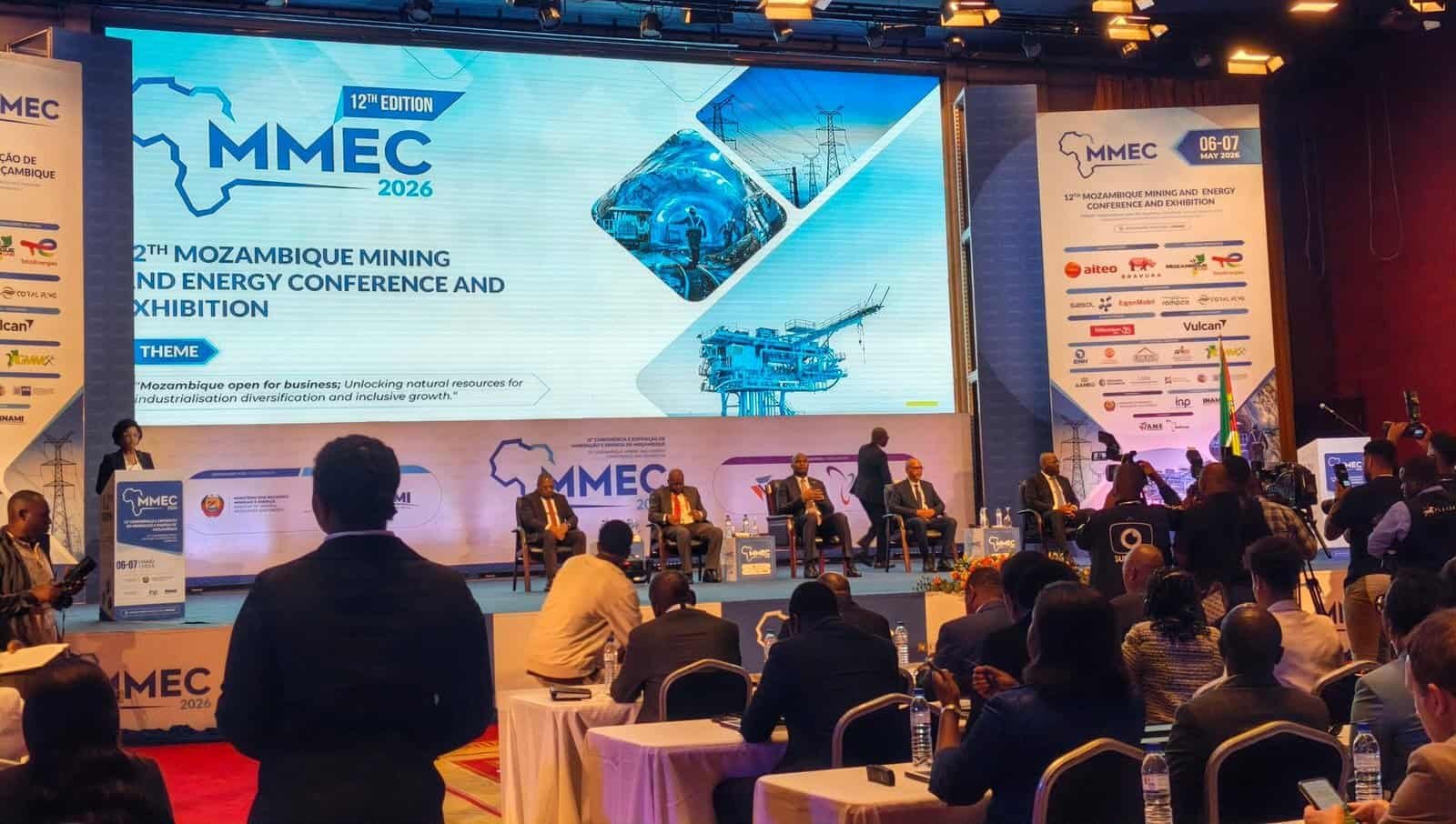
Speaking at the opening of the 12th Mozambique Mining and Energy Conference and Exhibition in Maputo, the vice-president of the Confederation of Economic Associations (CTA), Onório Manuel, said the scarcity of fuel is beginning to paralyse economic activity.
“The lack of fuel creates disruptions, but we are also starting to face a shortage of mobility for people and goods, including the delivery of raw materials and the arrival of employees. Without these, companies simply cannot operate,” he said.
Mozambique has been grappling with fuel supply difficulties for several weeks, with filling stations closing across the country, long queues forming, and limits imposed on the purchase of petrol and diesel. Public transport services have also been reduced. The الأزمة is linked to instability in the Middle East.
Manuel noted that many businesses rely on fuel not only for transport but also to power machinery. He added that discussions are ongoing with government authorities to better understand the root causes of the supply disruption.
“We have made contacts and understand that there is fuel in the country. The key issue that must be clarified is why it is not reaching filling stations. That is something we, as the private sector, do not understand,” he said, warning of mounting losses if the crisis persists.
On the government’s proposal to subsidise public transport, Manuel said implementation would be challenging, particularly given logistical constraints affecting companies. He argued instead for market-driven solutions and better coordination across sectors to stabilise prices and ensure competitiveness in the regional energy market.
Meanwhile, the Minister of Mineral Resources and Energy, Estêvão Pale, acknowledged “disturbances” in the fuel distribution chain, which he said are behind the shortages. He confirmed that a task force has been deployed to investigate the situation and prevent further deterioration.
Pale also urged citizens to limit unnecessary travel. “If there are journeys that are not essential, we must all take measures to cope with this situation, the duration of which remains uncertain,” he said.
The government has announced it is actively seeking alternative fuel import sources in response to disruptions linked to the conflict in the Middle East and constraints affecting the Strait of Hormuz, a key global shipping route.
Addressing parliament, Minister of Economy Basílio Muhate said Mozambique is working with other countries to establish agreements and partnerships for fuel supply. “This is a recent situation, and there is ongoing work at government level to secure alternative sources from other fuel-producing countries,” he said.
Approximately 80% of Mozambique’s fuel imports pass through the Strait of Hormuz, making the country particularly vulnerable to disruptions caused by geopolitical tensions involving the United States, Israel and Iran.
Muhate explained that since transit through the strait became problematic, Mozambique has turned to refineries outside the region, using alternative maritime routes. He appealed for public understanding, noting that the crisis affects all sectors of society.
“The shortage of fuel affects ambulances, transport, and families who need food. It impacts all of us. This is not entirely within our control, but we are making efforts as a government and ask for calm and unity among Mozambicans,” he said.
The government has already acknowledged that fuel price increases are inevitable due to supply pressures. It is also considering subsidies for public passenger transport to shield citizens from the worst effects of the crisis, though foreign currency shortages are limiting import capacity.
Muhate also pointed to the rise of informal fuel sales, with people increasingly purchasing fuel in containers ranging from five to 20 litres. “Stations that used to sell 40,000 litres per week are now selling the same amount in less than 24 hours,” he said, adding that distribution logistics are not equipped to handle such demand.
While fuel shipments continue to arrive, constrained foreign exchange reserves mean imports can only cover short periods, raising concerns about prolonged instability in supply.
As the fuel shortage continues, businesses and consumers alike face growing uncertainty, with calls mounting for clearer answers and swift, coordinated action to restore normality.