The South African Police Service (SAPS) has identified 331 high-risk voting stations ahead of the 2026 local government elections, with KwaZulu-Natal accounting for almost half of the stations flagged for potential instability.
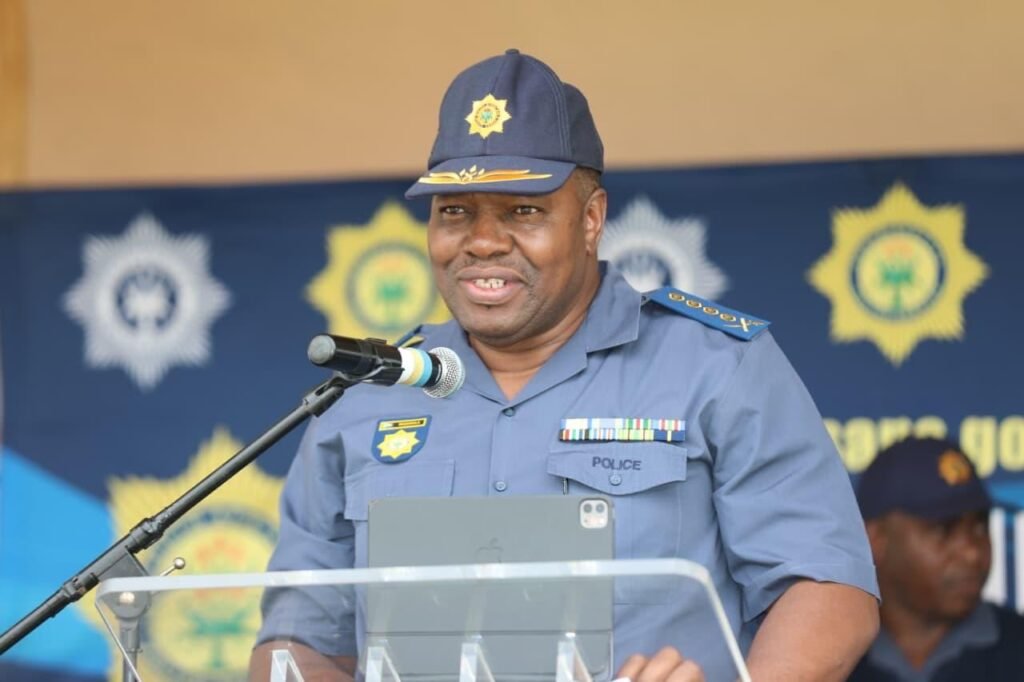
National police commissioner General Fannie Masemola said on Friday that police were operationally ready to secure the elections, with three days remaining before voters head to the polls.
KwaZulu-Natal has the highest number of high-risk voting stations at 165, followed by Gauteng with 119, the Western Cape with 33, Mpumalanga with 11 and the Eastern Cape with three.
The North West, Limpopo, Northern Cape and Free State have no voting stations classified as high-risk, although they have stations categorised as medium or low risk.
Masemola delivered the police service’s state of readiness briefing in Durban after concluding nationwide assessments of election security preparations.
He said the assessments, operational planning and simulation exercises had helped police identify potential challenges and prepare to respond to incidents before, during and after election day.
“We are confident in our state of preparedness. We are satisfied that the necessary measures have been put in place and that the SAPS is ready to discharge its responsibility of ensuring safe, secure and peaceful elections,” Masemola said.
Of the 165 high-risk voting stations in KwaZulu-Natal, 124 are in the eThekwini district. The remaining stations are distributed across uThukela, with 16; Amajuba, with 13; Zululand, with 11; and Ugu, with one.
In Gauteng, 75 of the 119 high-risk stations are in the Johannesburg district, 23 in Ekurhuleni, 14 in Tshwane, six in the West Rand and one in Sedibeng.
All 33 high-risk voting stations in the Western Cape are in the City of Cape Town. Mpumalanga’s 11 stations are spread across Gert Sibande, with six; Ehlanzeni, with three; and Nkangala, with two.
The three stations identified in the Eastern Cape are all in the OR Tambo district.
Masemola said additional resources had been allocated according to the identified risks, with increased police visibility and operational interventions planned where necessary.
However, the commissioner expressed concern about killings and attacks targeting political party supporters, members and ward candidates.
He warned that political intolerance and violence would not be tolerated, urging political parties to resolve disputes through lawful and peaceful means.
“No person should lose their life or be attacked simply because of their political affiliation or their decision to participate in the electoral process,” he said.
Police are also seeking an interim court order in KwaZulu-Natal to ensure that organisers and participants in public demonstrations comply with the law.
Masemola said the application was not intended to prevent lawful marches but followed escalating violence, intimidation and property destruction associated with demonstrations in and around Durban.
Two people had been attacked and killed, while 16 vehicles had been burnt or damaged in connection with the incidents, according to the commissioner.
The measures sought include preventing the carrying of dangerous weapons, assaults, killings and damage to property, as well as ensuring marches follow designated routes.
Masemola said police respected the constitutional right to demonstrate peacefully but stressed that it could not be used to justify violence or infringe on the rights of others.
The police service is leading the election security operation, supported by the South African National Defence Force, metro police departments and the State Security Agency.
Senior officers from police headquarters have been deployed to support provincial operations, while roving operational teams will reinforce deployments where necessary.
Specialised units, including the Special Task Force, National Intervention Unit, Tactical Response Teams, Explosives Units and hostage negotiators, have also been placed on standby.
Police will work with the Independent Electoral Commission to secure special voting, polling stations, ballot papers and other election materials.
Firearms and dangerous weapons will not be permitted within voting station boundaries, and officers will remain at stations for as long as necessary to protect voters and maintain order.
Masemola said police operations would run alongside the Safer Festive Season campaign, with police stations remaining open to serve communities as usual.
He urged voters, candidates and political parties to cooperate with law enforcement and report threats or suspicious activities.
“Anyone who seeks to undermine the electoral process through violence, intimidation or criminality will be dealt with in accordance with the law,” he said.