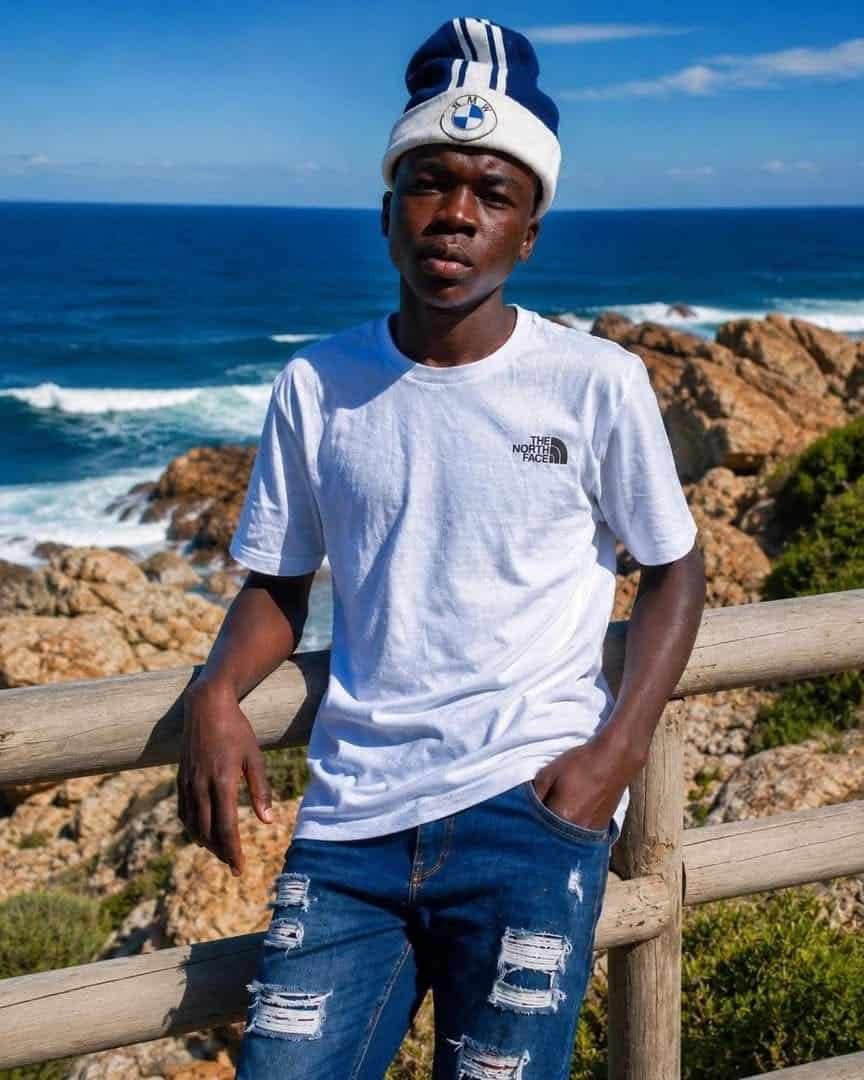
Police have moved to clarify the circumstances surrounding the death of 19-year-old Nhlamulo Sambo, whose killing in Mossel Bay, Western Cape, sparked widespread outrage and intense debate on social media after unverified claims suggested he had been targeted because he spoke Xitsonga.
The Western Cape Police have confirmed that there is currently no evidence that Sambo’s death was linked to tribalism, xenophobia, anti-immigration protests, or his identity as a Tsonga-speaking South African.
Instead, police say preliminary investigations indicate that Sambo and a 15-year-old companion were allegedly caught inside a shack in Mossel Bay before a confrontation with the shack owner ended in tragedy.
The incident occurred on Sunday morning. A murder case has been opened, and police are searching for the shack owner, who has not yet been arrested.
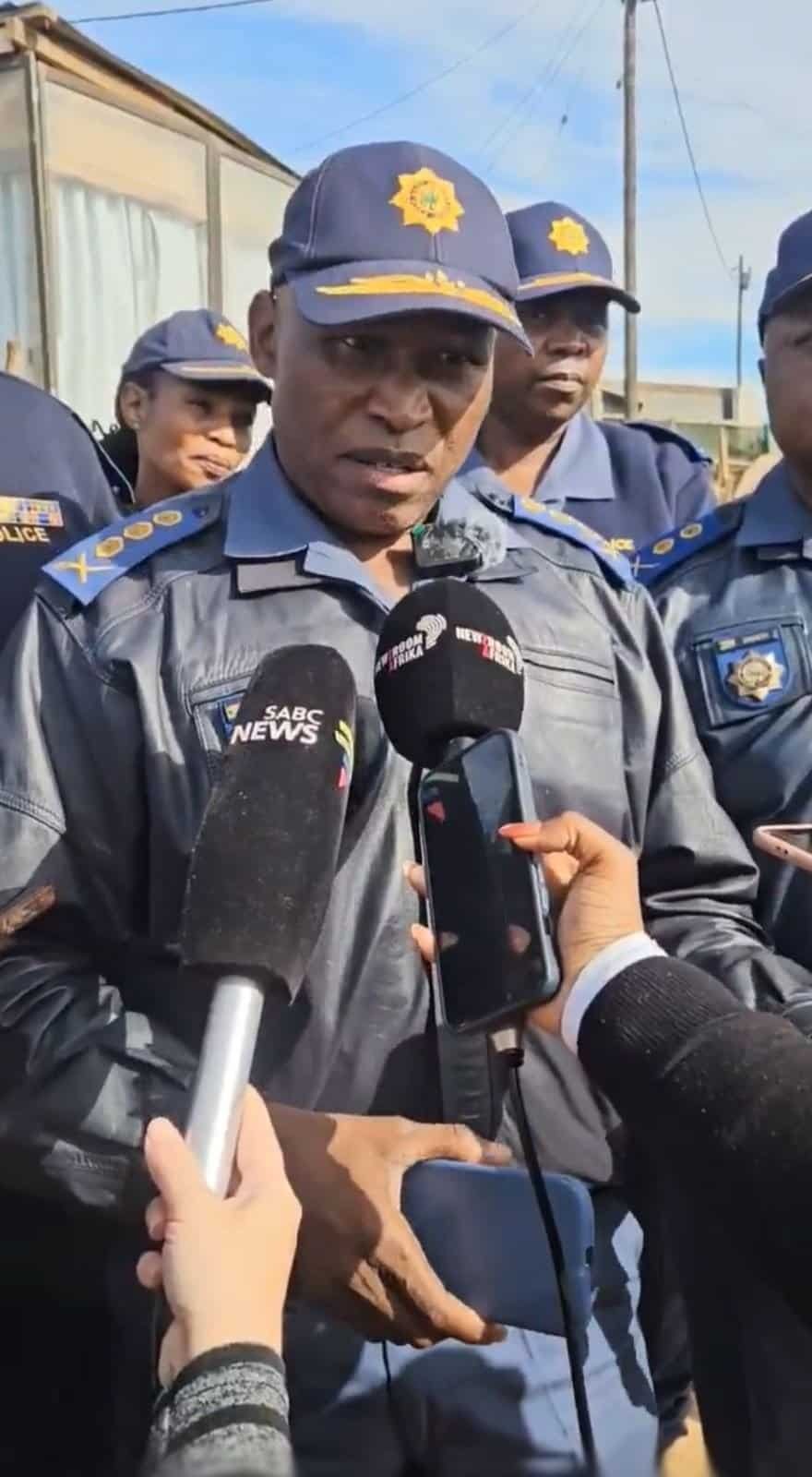
Speaking on the matter on Tuesday, Western Cape Police Commissioner Lieutenant-General Thembisile Patekile said information gathered from the surviving teenager suggests that the pair had entered an unoccupied shack before the owner arrived.
According to Patekile, the owner allegedly confronted the teenagers after discovering them inside the structure. Sambo reportedly fled during the confrontation while the younger boy hid beneath a bed inside the shack.
Police allege that the owner chased Sambo and that the teenager was subsequently stabbed. He later died from his injuries.
The commissioner emphasised that investigators have found no evidence linking the incident to anti-immigration operations or tensions surrounding language and ethnicity.
Police have further confirmed that both the victims and the suspect are South African citizens.
The clarification comes after social media platforms were flooded with claims that Sambo had been attacked because he was Tsonga and was allegedly mistaken for a foreign national amid ongoing tensions surrounding illegal immigration in parts of the Western Cape.
Those claims gained traction after videos featuring Sambo’s mother, Patience Sambo, and his sister, Nonhlanhla Sambo, circulated widely on TikTok, Facebook, X and other social media platforms.
In the videos, the grieving family appealed for financial assistance to transport Sambo’s body from the Western Cape to Limpopo, where he is expected to be buried this weekend.
As public sympathy for the family grew, numerous social media users and political commentators began linking the death to anti-immigration sentiment and alleged tribal tensions.
However, police say the available evidence does not support those allegations.
The clarification triggered a fresh wave of reactions online, with many users criticising what they described as the premature spread of misinformation.
One X user referenced police statements and argued that the facts emerging from the investigation differed significantly from the narrative that initially dominated social media discussions.
The user stated that Sambo was allegedly found inside an empty shack, that the owner chased him, and that police had not confirmed any connection between the killing and Sambo’s language or ethnicity.
Others accused public figures and activists of drawing conclusions before investigators had established the facts surrounding the case.
Similar sentiments were echoed on Facebook, where some users questioned why political figures had linked the tragedy to broader social and political issues before police completed their investigation.
The controversy has also drawn in advocacy groups and anti-illegal immigration movements that were initially blamed by some social media users.
Both March and March, and Operation Dudula have publicly distanced themselves from the killing.
Operation Dudula extended condolences to the Sambo family while rejecting suggestions that the organisation was involved in the teenager’s death.
In a statement, the movement described the killing as a senseless tragedy and said no parent should have to endure the pain of burying a child.
The organisation further maintained that it has consistently opposed violence and has never encouraged attacks based on language, ethnicity or cultural identity.
March and March leader, Jacinta Ngobese-Zuma, also addressed the matter after being tagged in a TikTok video by a 19-year-old Tsonga-speaking resident of Tsongweni.
The young man had asked whether Tsonga-speaking South Africans should fear for their safety following reports about Sambo’s death.
Responding publicly, Ngobese-Zuma expressed sympathy for the Sambo family and described the circumstances surrounding the teenager’s death as heartbreaking.
She reiterated that March and March has consistently advocated for lawful action regarding illegal immigration and has never supported violence.
Ngobese-Zuma said the movement’s position has always been that concerns about illegal immigration should be addressed through legal and constitutional channels rather than through vigilantism or attacks on individuals.
Meanwhile, police continue to investigate murder cases linked to recent unrest in parts of Mossel Bay.
Public Order Police have been deployed to maintain stability following violent incidents in the area.
Authorities have confirmed that they are investigating three separate murder cases. Two of those victims were Mozambican nationals, while police say the third murder case involving Sambo was unrelated to the unrest that occurred on Friday.
As the investigation continues, police have urged the public to allow law enforcement officials to complete their work and cautioned against spreading unverified information online.
For now, investigators maintain that the facts currently available point to a confrontation involving an alleged attempted theft at a shack, not a xenophobic or tribal attack.
The search for the suspect continues, and police say further details will be released as the murder investigation progresses.