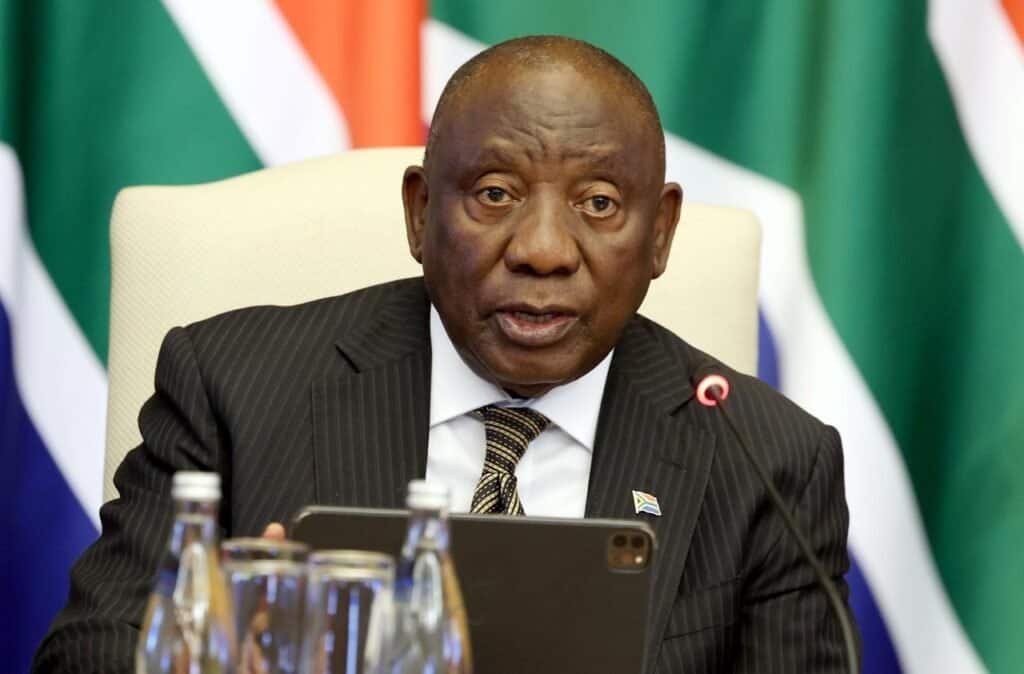
More than a year after KwaZulu-Natal Police Commissioner Lieutenant General Nhlanhla Mkhwanazi’s explosive allegations shook South Africa’s criminal justice system, President Cyril Ramaphosa has formally noted the recommendations contained in the second interim report of the Judicial Commission of Inquiry into Criminality, Political Interference and Corruption in the Criminal Justice System, commonly known as the Madlanga Commission.
The Presidency on Thursday announced that Ramaphosa had considered the recommendations and referrals contained in the report, which was submitted to him on 29 May 2026. The report follows the commission’s first interim report, delivered on 17 December 2025, while the commission’s final report is now due on 16 November 2026 after its term was extended.
The commission, chaired by retired Constitutional Court Justice Mbuyiseli Madlanga, was established by Ramaphosa in July 2025 following Mkhwanazi’s bombshell allegations made on 6 July 2025. Mkhwanazi alleged that organised criminal syndicates had infiltrated sections of the criminal justice system and accused senior police officials and politically connected individuals of interfering in investigations and prosecutions.
According to the Presidency, the latest report revisits recommendations made in the first interim report relating to the South African Police Service and, with one exception, confirms those recommendations after implicated individuals appeared before the commission to give evidence.
The report also introduces new referrals arising from evidence heard since the beginning of 2026.
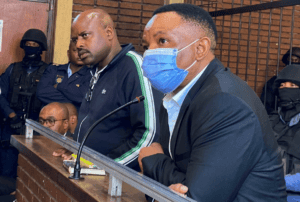
The commission recommends disciplinary proceedings, immediate criminal investigations and, where sufficient evidence exists, criminal prosecutions against Lieutenant General Shadrack Sibiya, Witness G, Sergeant Fannie Nkosi and political fixer Brown Mogotsi.
It has further recommended that the Office of the Inspector General for Intelligence, or another authorised body, immediately investigate allegations of an off the books Crime Intelligence operation in which Mogotsi and Witness G were allegedly involved.
The Presidency said these referrals were made under clauses 10.4 and 12 of the commission’s terms of reference, which empower it to refer matters requiring urgent criminal investigation, prosecution or further inquiry.
Presidential spokesperson Vincent Magwenya said the commission’s latest referrals would now be incorporated into the work of the SAPS special investigations task team established after the first interim report.
“The most recent referrals from the Commission will form part of the work of the SAPS special investigations task team established following receipt of the first interim report to institute investigations against people identified by the Commission as a matter of urgency,” Magwenya said.
The first interim report had already prompted a series of recommendations relating to senior police officials and investigations into alleged criminal conduct, leading to the establishment of the specialised task team to pursue matters identified by the commission. Ramaphosa previously accepted those recommendations and directed that they be implemented.
Since resuming hearings in January 2026, the commission has significantly widened the scope of its inquiry beyond SAPS to include municipal police departments, Crime Intelligence and the now Independent Directorate Against Corruption (IDAC). According to the commission, it heard 32 witnesses over 64 hearing days between January and May before submitting its second interim report.
Among the most closely watched evidence this year was that of IDAC prosecutor Drushantha Ramsamy. She alleged that former IDAC head Andrea Johnson created a climate of intimidation within the directorate, frequently changed strategic positions and instructed investigators on sensitive cases. Ramsamy also testified about a number of challenges and produced audio recordings that became key exhibits before the commission.
Former investigators and prosecutors from IDAC also described alleged governance failures, internal conflict and concerns over politically sensitive investigations. Johnson has denied wrongdoing during the inquiry.
Other evidence before the commission has examined alleged interference in investigations linked to the Port Shepstone drug bust, Crime Intelligence operations, municipal police structures and organised crime networks.
The commission has repeatedly stressed that its findings at this stage are based on prima facie evidence and that individuals implicated remain entitled to due process. The referrals are intended to enable law enforcement agencies to investigate further and determine whether criminal charges or disciplinary action are warranted.
With public hearings continuing and additional witnesses still expected to testify, attention will now turn to the commission’s final report, which is expected to bring together more than a year’s worth of evidence into alleged criminal infiltration, political interference and corruption across South Africa’s criminal justice system.