The Southern African Development Community (SADC) has called for stronger cooperation and investment in climate preparedness as the region continues to face floods, cyclones and long droughts.
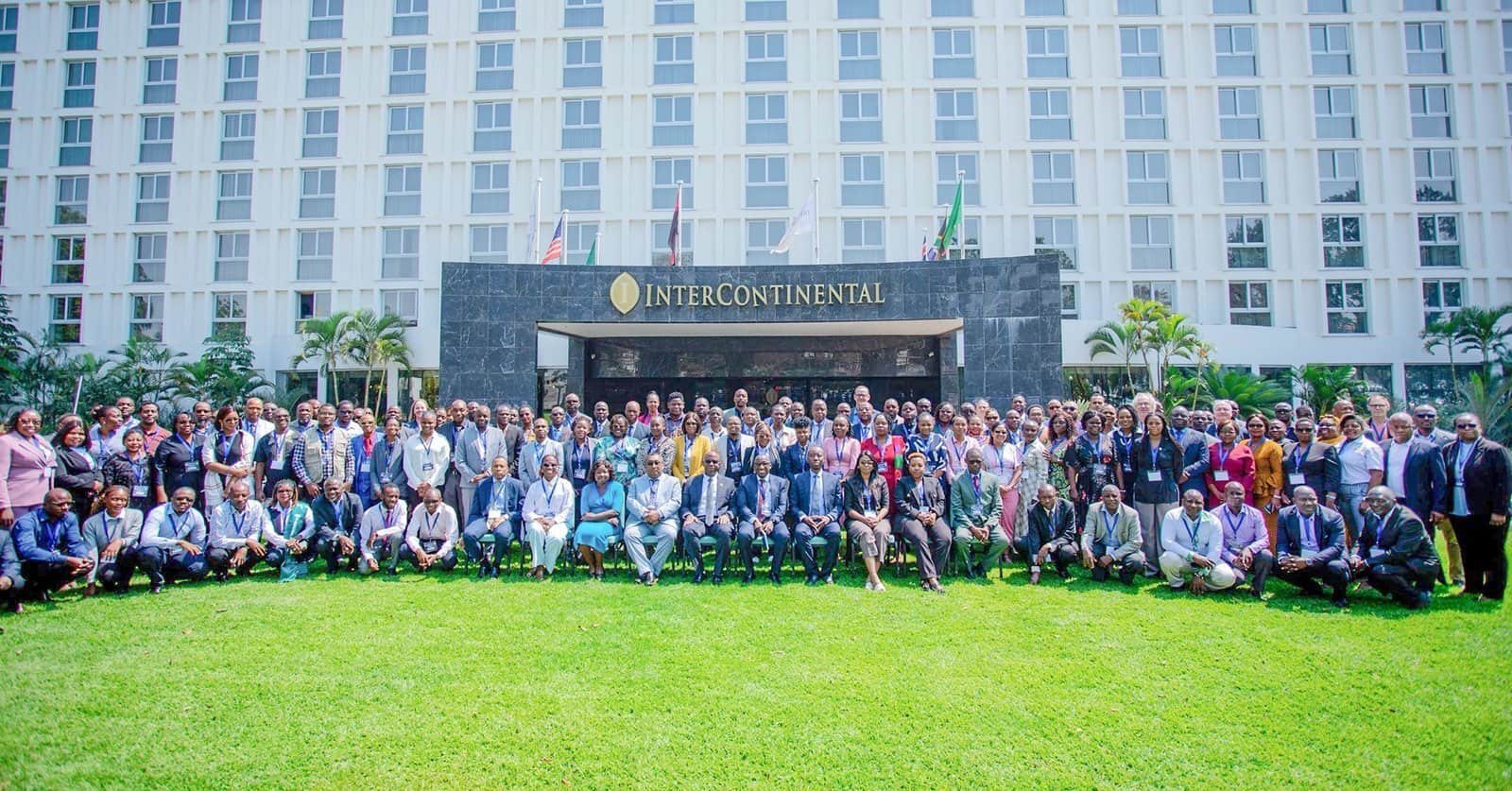
More than 30 climate experts and over 200 delegates from across the region gathered in Lusaka, Zambia, from 8 to 11 September for the 31st Southern Africa Regional Climate Outlook Forum (SARCOF-31). The meeting ran under the theme “Closing the Early Warning Gap Together within the SADC region.”
Opening the forum, Dr Douty Chibamba, Permanent Secretary for Zambia’s Ministry of Green Economy and Environment, warned that climate change is already damaging economies and threatening livelihoods.
“Climate services must be responsive to the real and immediate impacts of climate change, which are disrupting agriculture, businesses, households and development across the region,” he said.
He added that Africa is losing between 2% and 5% of its GDP each year because of extreme weather. Some countries are spending up to 9% of their budgets on disaster response. “This is not sustainable,” Dr Chibamba said, stressing the need for early warning systems that reach vulnerable communities in local languages.
Ms Mapolao Mokoena, SADC Director of Infrastructure, said the forum marked the conclusion of the SADC ClimSA Programme, launched at SARCOF-25. She praised the European Union and other partners for their support.
“This forum has achieved major milestones, including the validation of the SADC Multi-Hazard Early Warning System and the draft Regional Multi-Hazard Monitoring Framework,” Mokoena said. She added that cooperation with health and media sectors was key to making climate information accessible and practical for citizens.
Other speakers included Dr Joshua Ngaina from the World Meteorological Organisation, Mr Catalin Gherman of the EU Delegation to Botswana, and Mr Edson Nkonde, Zambia’s Director of Meteorology. Nkonde urged delegates to build “a robust and inclusive early warning framework as a foundation for environmental security in the region.”
The forum ended with a joint call to strengthen data sharing, improve funding for meteorological and hydrological services, and deepen partnerships across sectors such as agriculture, water, health and energy.
According to organisers, SARCOF-31 showed that closing the early warning gap is central to protecting communities and preparing Southern Africa for a future of worsening climate shocks.