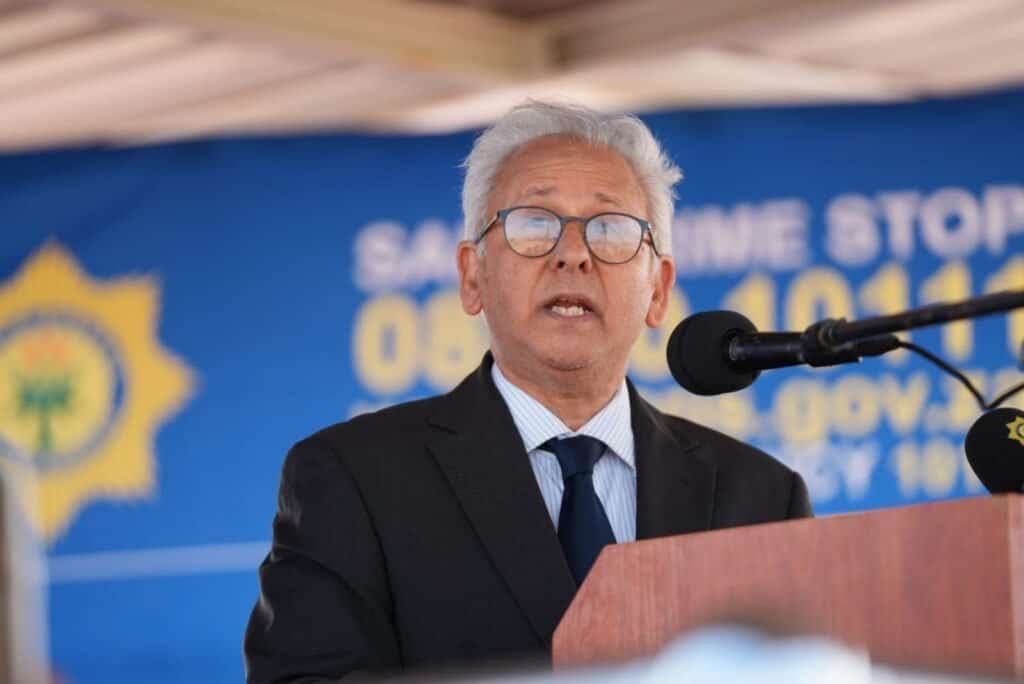
The South African Policing Union (SAPU) has issued a strong warning to Acting Minister of Police Firoz Cachalia, accusing him of pursuing “misguided approaches” to reforming the South African Police Service (SAPS) through what it described as a controversial “reset agenda”.
Cachalia this week told Parliament during the SAPS budget vote that restoring discipline and accountability within the police service would form a key part of his “reset agenda” aimed at rebuilding public trust in law enforcement. He also said recommendations emerging from the Madlanga Commission would help guide reforms intended to strengthen SAPS and improve professionalism within the organisation.
In a statement released on Thursday, SAPU said Cachalia’s recent budget vote speech in Parliament failed to demonstrate genuine concern for the wellbeing and morale of ordinary police officers, many of whom continue to work under difficult and dangerous conditions.
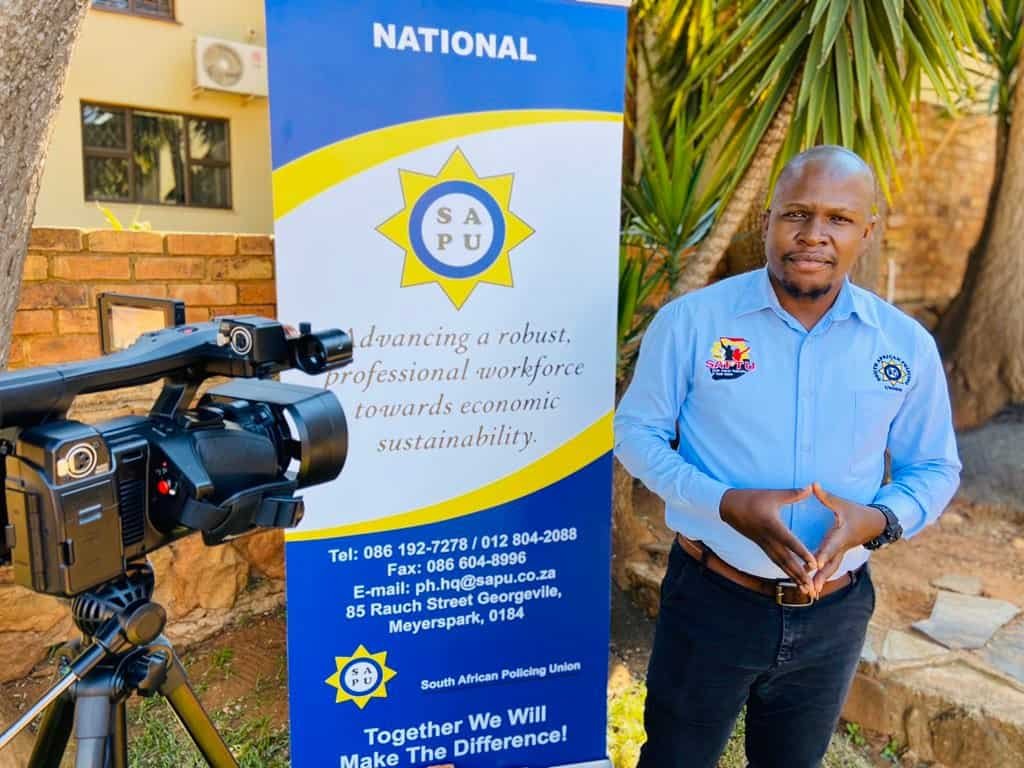
SAPU spokesperson Lesiba Thobakgale said the union was concerned that the Acting Minister’s remarks painted an unfair picture of SAPS members.
“The Acting Minister’s remarks focused heavily on discipline, creating the impression that SAPS is an organisation dominated by ill-disciplined members,” said Thobakgale.
The union also criticised Cachalia for referring to the ongoing Madlanga Commission to support his stance, despite the commission’s final report not yet being made public.
“While SAPU respects and welcomes the work of the Madlanga Commission and believes its outcomes may contribute positively towards strengthening law enforcement agencies, we reject any attempt to unfairly generalise or tarnish the image of SAPS members,” Thobakgale added.
According to SAPU, morale within SAPS has reached critically low levels, with many officers frustrated by a lack of promotions and career advancement opportunities. The union said several members appointed under the Public Service Act have remained stuck in the same positions for years without meaningful progression.
SAPU said it expected the Acting Minister to use his budget speech to announce interventions aimed at motivating officers and improving working conditions rather than focusing largely on disciplinary matters.
“It is equally concerning that the Acting Minister failed to address the painful and ongoing crisis of police killings,” said Thobakgale.
The union further warned against what it called political interference in disciplinary processes within SAPS. SAPU stressed that police discipline is governed by the SAPS Disciplinary Regulations of 2016, which were negotiated through labour structures and cannot be overridden by personal opinions or political agendas.
SAPU also directed criticism at Acting National Commissioner Lt General Puleng Dimpane, cautioning her against yielding to political pressure when dealing with disciplinary matters involving senior officers.
“Senior officers must not be selectively targeted to satisfy political agendas while due processes are ignored,” said Thobakgale.
The union said reckless suspensions driven by politics could expose SAPS to expensive legal battles and further destabilise the organisation.
Concerns were also raised about deteriorating police infrastructure across the country. SAPU said many police stations and workplaces remain dilapidated and unfit for officers and support staff.
The union claimed Cachalia himself admitted during his budget speech that he only became aware of some of the conditions through concerns raised by another trade union, something SAPU says reflects a worrying lack of understanding of the department.
SAPU additionally criticised delays in filling key leadership positions within crime-fighting structures, particularly within the Directorate for Priority Crime Investigation, commonly known as the Hawks.
The union questioned why a permanent head of the Hawks has still not been appointed despite repeated commitments to strengthen investigative capacity.
It also highlighted the continued vacancy of the North West Provincial Commissioner position, despite interviews having already been completed and recommendations finalised.
SAPU alleged that political interference and vested interests may be delaying critical appointments within SAPS leadership structures.
“The public is still waiting for a comprehensive media briefing from both the Acting Minister and the Acting National Commissioner outlining their vision and strategy for stabilising and strengthening SAPS,” Thobakgale said.
SAPU further objected to the possibility of bringing in outside consultants or advisers at significant cost, arguing that SAPS already has experienced and capable officials who should instead be promoted and empowered internally.
The union maintained that the majority of police officers continue serving professionally despite difficult circumstances and warned against creating a public perception that all SAPS members are corrupt or incompetent.
“Only a small number of individuals are implicated in misconduct or corruption, and it is unfair to paint all SAPS members with the same brush,” said Thobakgale.
SAPU also called for the urgent finalisation of unresolved disciplinary matters involving two suspended deputy national commissioners, saying prolonged uncertainty risks creating instability within SAPS leadership.
The statement concluded with a warning to Cachalia against interfering in operational policing matters, saying such responsibilities constitutionally belong to the National Commissioner.
“While we do not condone ill-discipline or corruption, we also recognise the enormous pressures and dangers faced daily by police officers and support staff,” Thobakgale said.