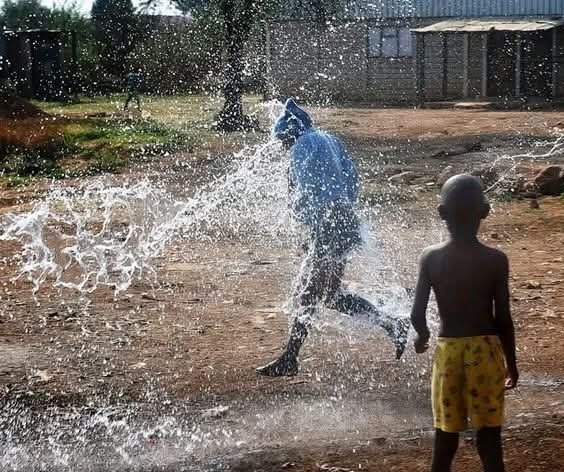
Government has called for safer and more responsible Spring Day celebrations after what was meant to be a day of fun across Gauteng descended into violence, vandalism and tragedy.
The call follows the death of 21-year-old Tshepang Nyathi, who was allegedly stabbed during Spring Day celebrations in Refilwe, Cullinan, on Tuesday.
According to police, a group of young people were celebrating the arrival of spring by splashing water on passing pedestrians when they attempted to douse a 53-year-old man. An argument broke out, and the man allegedly stabbed Nyathi before fleeing the scene.
Community members later apprehended the suspect, who was subsequently arrested by police on a murder charge.
Government has expressed its condolences to Nyathi’s family and friends, saying the incident highlighted the need for greater responsibility during Spring Day celebrations.
“The safety and protection of children is paramount,” government said, stressing that parents, caregivers, schools and communities all have a responsibility to ensure children can enjoy celebrations in safe, supervised and respectful environments.

The tragedy was not the only incident that raised concern on September 1.
Across parts of Gauteng, the traditional water splashing associated with Spring Day saw young and old people, workers, schoolchildren, pedestrians and motorists targeted.
While many embraced the tradition, others were reportedly left angry and distressed after being soaked without their consent.
There were also reports of people using dirty water, opening vehicle doors and pouring water inside cars, while taxi commuters were targeted as young people climbed onto or around vehicles to splash passengers through open windows and boots.
Delivery drivers and motorcycle riders were also among those targeted.
Videos circulating on social media showed delivery drivers being drenched while attempting to continue working, with reports that some riders lost mobile phones used for their work after being hit with water.
Delivery motorbike drivers were seen fallen while trying to avoid water being thrown at them.
The disruption also affected public transport.
Tshwane Bus Service reported that two buses were damaged during the celebrations and taken out of service, affecting more than 300 passengers, many of them pupils and students. Videos showed crowds surrounding buses, people climbing onto their roofs and water being thrown at vehicles. In one incident, people were seen forcing open a bus door and pouring water inside.
The incidents have prompted renewed questions about whether a tradition once largely associated with children playing with water has become too dangerous.
Gauteng police have also warned that pouring water on someone without their consent can amount to common assault. Police spokesperson Colonel Dimakatso Nevhuhulwi said a victim would need to open a case and provide a formal statement for police to investigate.
Government said there was nothing wrong with celebrating Spring Day, but the tradition needed to evolve in ways that protected people and respected their rights.
“Splashing strangers, disrupting traffic, targeting motorists, and escalating minor disagreements into violence have no place in our celebrations,” it said.
The government also urged South Africans to remember that the country is water scarce and that water should not be wasted for entertainment.
It called on communities to organise celebrations in voluntary spaces where participants consent to taking part, while avoiding conduct that could endanger people, damage property or disrupt public transport.
September is also Heritage Month and Tourism Month, government noted, urging South Africans to use the period to promote social cohesion and showcase values of respect, responsibility and care.
The death of Nyathi, the damage to public buses and reports of attacks on motorists and workers have turned this year’s Spring Day celebrations into a broader debate about where celebration ends, and criminality begins.
Government’s message is that the tradition does not necessarily have to disappear, but it must become safer, more respectful and water-wise.
The priority, it said, should be to celebrate spring without putting children, workers, motorists, commuters and communities at risk.