Words matter. Definitions matter. Considering power relations, Toni Morrison hammers the nail on the head: “Definitions belong to the definers, not the defined.”
The corollary equally holds, power belongs to the definers and not the defined. When they called us ‘non-whites’, they wrote our negation. Buried us in the grave of nobodies.
When we said ‘Black is beautiful’, we wrote our resurrection. We heaved back to life. We felt our feet depositing dignity on our land. This, we did, not only to reclaim our somebodiness but also to reassert and to rightly impress upon the bosom of the earth to receive us to be sons and daughters of the soil.
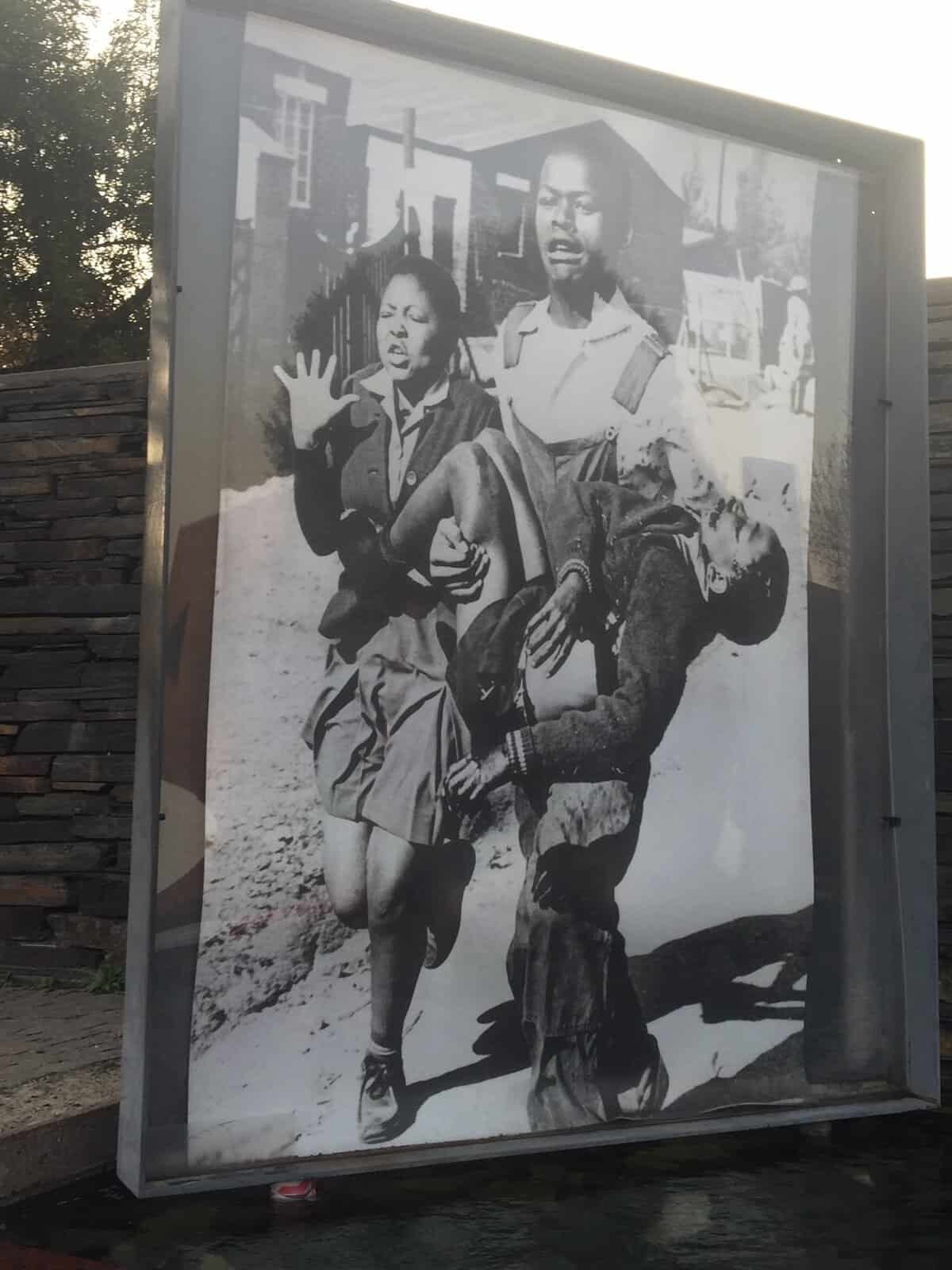
June 16, 1976, was not a protest. It was the students’ rehumanisation undertaking.
The June 16, 1976, student movement started with purposeful silence. It planned each charted course. It took each careful step. It uniquely did it in a way only that generation of students could. Then the students moved. And the streets spoke.
They took liberation from the classroom to the streets. Mind you, this was without authority consent. This was without permission. This was without apology. This was without approval. You do not ask to be human. A force that awakens in you just orders you to be. That awakened force was just the Class of ‘76 in the true spirit of Steve Biko.
They staked their bodies on the frontline to resuscitate the breath of liberation. That was the striking hour of facing the moral hazards of taking a public position: Singabantu. Rebatho. We are people. Telling the truth is like holding your soul like water in the palm of your hand. If you loosen your fingers to chancing fleeting sway of lies, you may not find your soul again. That is the defining moment that June 16, 1976, presented. The students led the charge. The uprising wave of response came naturally. Black people of all ages were coming back to themselves. The moment to find ourselves had come. This was a cultural reclamation of ‘who we are in oppression’ and ‘who we ought to be in liberation’.
This becoming human is itself the act of liberation. And for as long as we, black people, have not fully recovered our humanity, that is a signal of the unfinished business of the project. This is how Aluta Continua retains currency.
This rehumanisation feat is godly work in a godless setting. The dehumanised are reinstating their pride of place in world history as part of the Supreme Being’s creation.
Do you get the drift? Then look at today. This is not a South African disease. It is an African condition. Stripped naked of all frills and pretence of diplomatic claptrap, it is Afrophobia versus Eurocentric tolerability.
Mirriam B Jooma, in her June 2026 essay “African When It Suits You: Afrophobia and the Unfinished Business of Liberation”, puts it plain. by way of two scenes:
A Zimbabwean man sells vegetables in Durban. He has been in business for three years. He pays rent. He sends money home. One afternoon, a crowd presents. The stall is destroyed. He escapes with his life.
Across town, a South African dual citizen lands at OR Tambo International Airport in Johannesburg from Tel Aviv in Israel after months serving in the Israeli Defence Force (IDF) in Gaza. He walks through customs. Goes home. No one stops him.
Jooma states matter-of-factly: “These two stories… tell you everything you need to know about how South Africa’s borders actually work. Not in law. In practice”.
THE LAW VERSUS PRACTICE
Jooma places the mirror before us to reckon with what the image reveals: We are masters of ‘the performance of liberation’. In her words: We sing the songs. We carry the flags. We file cases at The Hague. Then we go home to arrangements of power unchanged since 1994.
Jooma tackles the pathology: “The anger directed at African migrants is not new. It is a recurring symptom of a political project that redirects legitimate frustration downward rather than upward”.
“When electricity fails. When housing queues stretch decades. When unemployment swallows a generation, do not look at who owns the land. Look at the Mozambican at the corner shop.”
The picture is not hard to see. It is illustrated within the African continent by the conduct of an African head of state. The Sahel countries – Niger, Burkina Faso and Mali – expel France from West Africa. The Kenyan head of state, William Ruto, invites France to East Africa.
That is “African when it suits you”. The solidarity is conditional to perpetuation of a self-serving comfort zone, not even the country concerned. The blackness is conditional – typical of ripping the reward as black but never prepared to fight as a black. And so should liberation be looked at within the constraints of its setbacks and breakthroughs.
This illustration stands revealed within the African continent by the conduct of African heads of state. Captain Ebrahim Traore, the president of Burkina Faso, his Nigerien counterpart General Abdourahamane Tchiani, and Malian leader Colonel Hasimi Goita expel France. Their counterpart in Kenya, Ruto, invites France and hosts its president, Emmanuel Macron.
That is “African when it suits you”. The solidarity is conditional to a self-serving comfort zone not even the country of the African continent’s solidarity concerns. The blackness is conditional – rip reward as black but never fight as one. The use, misuse and abuse of blackness is too expedient to be missed. And so should liberation be looked at within the constraints of its setbacks and breakthroughs.
EXEMPLARITY vs CELEBRITY
This is not solidarity. It is the opposite. And Jooma pulls no punches: “It is enabled by a liberation movement that made its peace with white capital long ago and spent thirty years hoping nobody would notice.”
This, on the part of Jooma’s analysis, is exemplarity, not celebrity hogging for adoration. Jooma is not chasing blue-eyed airtime reception or nursing prospects for further invitations by an array of editor head honchos. She is doing the work.
This is lifting the public discourse to the intellectual finesse that true liberation demands. Here, there are less slogans, no theatrics, but just truth.
The truth does not need celebrities. Truth needs exemplars. Jooma breaks ranks with the mainstream commentariat community to say that the liberation movement made its peace with white capital.
And for as long as we have not recovered our humanity, Aluta Continua.
The rehumanisation vocation continues. This is no less than Godly work in a godless setting.
READ JOOMA IN FULL: Mirriam B Jooma, African When It Suits You: Afrophobia and the Unfinished Business of Liberation,” Substack, 14 June 2026.

Oupa Ngwenya is a Corporate Strategist, Writer, and Freelance Journalist