The African Transformation Movement (ATM) has formally tabled a motion of no confidence against President Cyril Ramaphosa following Friday’s landmark Constitutional Court ruling on Parliament’s handling of the Phala Phala matter.
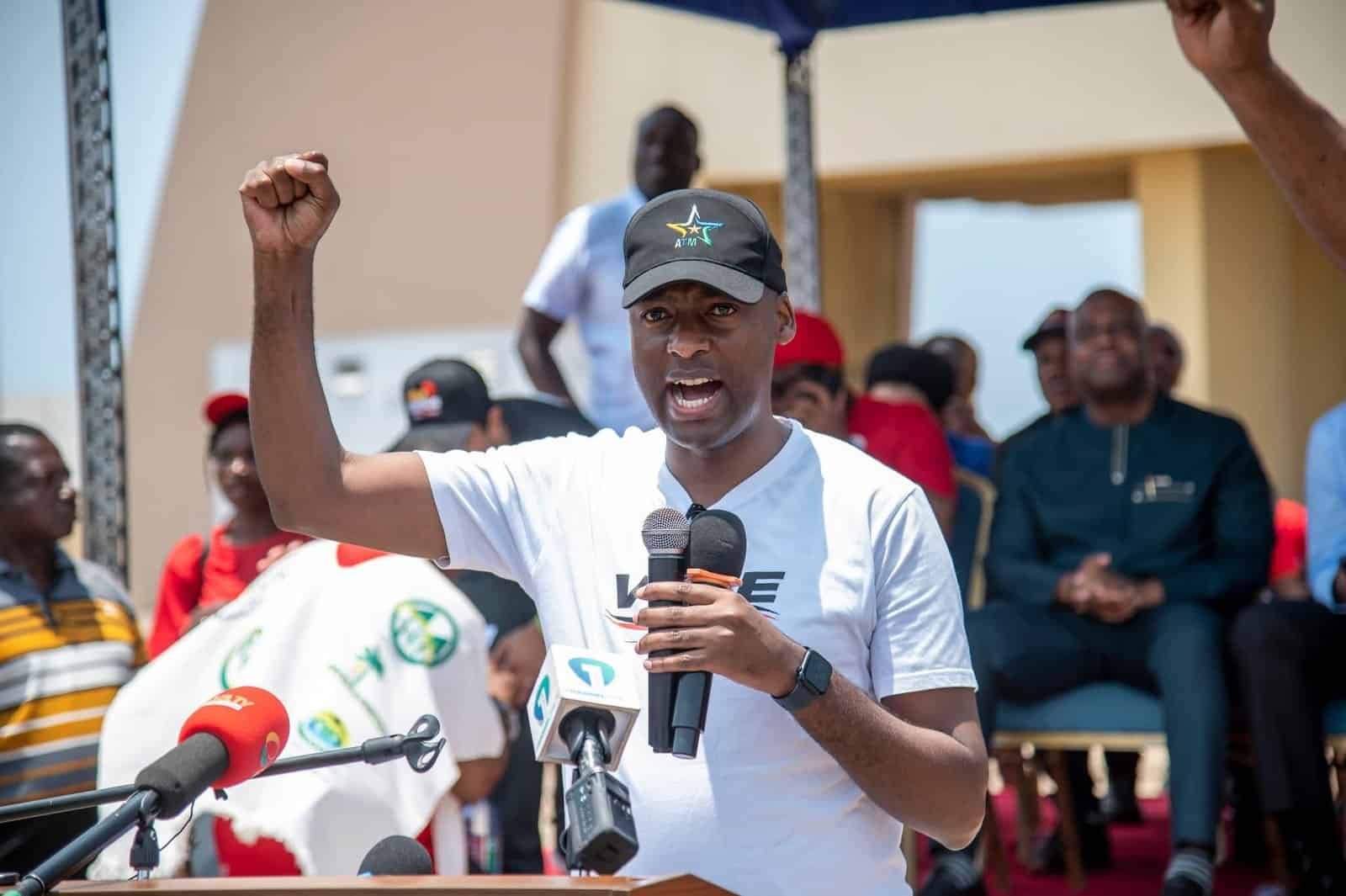
The motion, submitted by ATM parliamentary leader Vuyo Zungula to National Assembly Speaker Thoko Didiza, argues that the apex court judgment confirmed Parliament had failed in its constitutional oversight duties when it dismissed attempts to hold the President accountable over the scandal.
The Speaker’s office had not responded to requests for comment by the time of publication.
The Constitutional Court ruled that the National Assembly acted unlawfully and inconsistently with the Constitution in the manner it handled the Section 89 impeachment process linked to the Phala Phala controversy. The apex court found that Parliament failed to properly assess whether President Ramaphosa had a case to answer regarding allegations stemming from the 2020 theft of foreign currency from his Phala Phala farm in Limpopo.
The matter dates back to June 2022, when former State Security Agency director-general Arthur Fraser opened criminal charges against Ramaphosa, alleging that large sums of undeclared foreign currency were hidden at the President’s game farm and that state resources were improperly used to investigate the theft.
A panel chaired by former Chief Justice Sandile Ngcobo later found that Ramaphosa may have serious questions to answer regarding possible violations of the Constitution and anti-corruption laws. The panel’s findings triggered a heated debate in Parliament in late 2022 over whether an impeachment inquiry should proceed.
However, the African National Congress (ANC), which held a parliamentary majority at the time, voted against the adoption of the panel report, effectively halting the impeachment process before a full inquiry could be conducted. Opposition parties, including the ATM and the Economic Freedom Fighters (EFF), challenged that decision in court, arguing that Parliament had failed to independently and rationally exercise its oversight powers.
In its judgment delivered on Friday, the Constitutional Court agreed that the National Assembly’s conduct fell short of constitutional obligations. The court found that Parliament improperly shielded the President from accountability by failing to meaningfully process the Section 89 mechanism intended to determine whether serious misconduct or violations of the Constitution had occurred.
The ruling has reignited political pressure on Ramaphosa, with opposition parties arguing that the judgment vindicates long-standing concerns about executive accountability and parliamentary oversight.
In its motion, the ATM says the Constitutional Court judgment, together with findings contained in an Independent Police Investigative Directorate (IPID) report and sworn affidavits by Presidential Protection Unit head Major-General Wally Rhoode, point to what it describes as a pattern of concealment and abuse of state resources.
The party alleges that the President was directly involved in instructing members of his protection unit to “attend to the matter and report back” following the theft at Phala Phala. ATM further claims that the handling of the matter bypassed ordinary South African Police Service investigative channels and undermined constitutional governance.
The motion also references allegations contained in the IPID report relating to unlawful investigations, cross-border operations and the alleged torture of suspects linked to the theft. ATM argues that these developments have severely damaged public trust in the Presidency and broader state institutions.
“The continued tenure of President Cyril Ramaphosa has become detrimental to the credibility, integrity and public confidence in the Office of the President and the institutions of the State,” the motion states.
Section 102(2) of the Constitution provides that if the National Assembly passes a motion of no confidence in the President, the President, Deputy President and the entire Cabinet must resign.
The move places renewed political pressure on both Ramaphosa and Parliament following the Constitutional Court’s intervention. While the ANC-led Government of National Unity still commands significant support in the National Assembly, the motion is expected to intensify political debate over accountability, constitutional governance and the fallout from the Phala Phala scandal ahead of future parliamentary proceedings.