The growing water crisis in Gauteng has once again come under sharp focus, with the Gauteng Department of Cooperative Governance and Traditional Affairs (COGTA) admitting that ageing infrastructure, municipal debt, vandalism and repeated bulk supply failures continue to leave thousands of residents without reliable access to water.
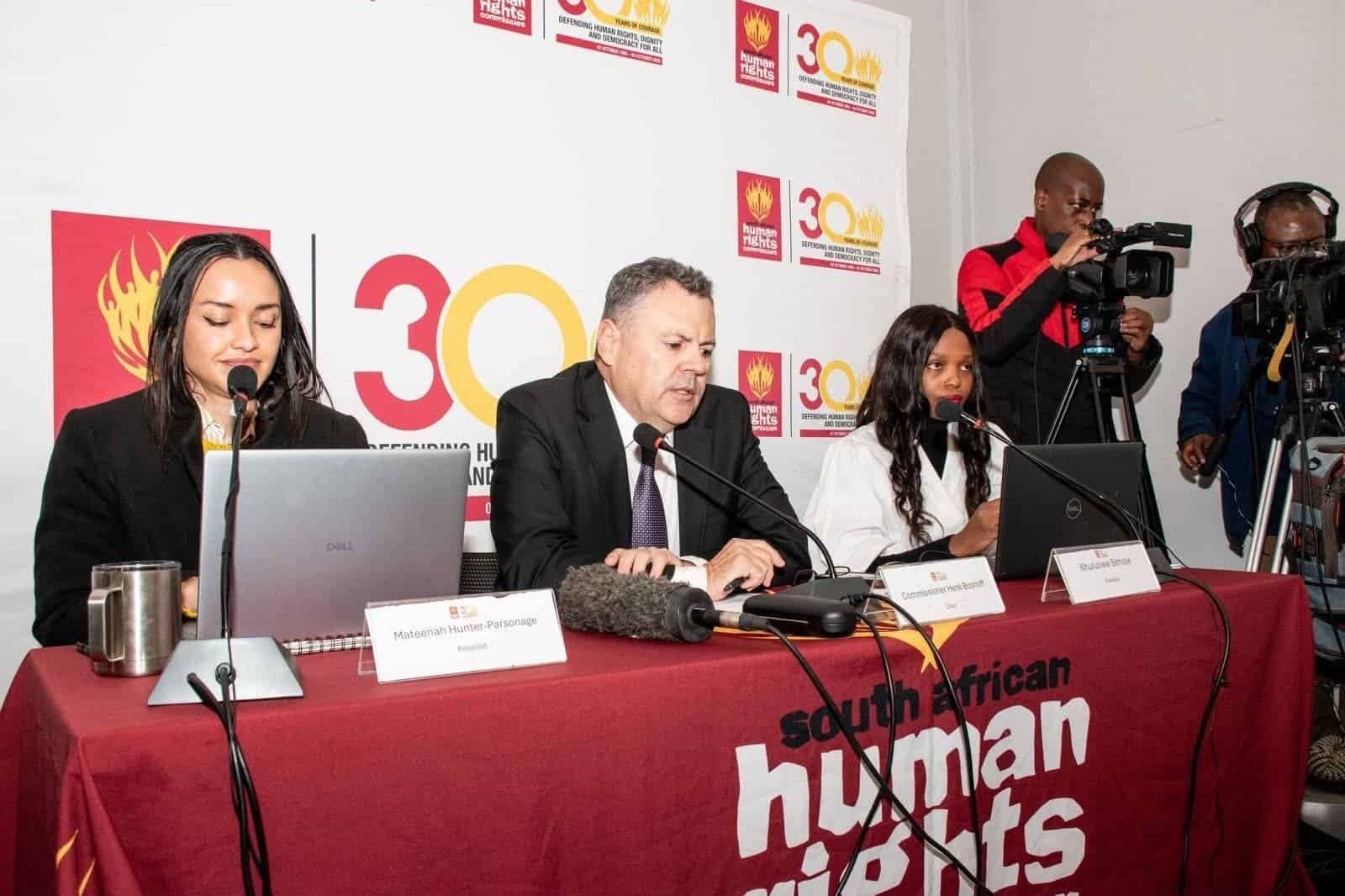
Appearing before the South African Human Rights Commission during its formal Water Inquiry this week, Gauteng COGTA outlined a series of emergency and long-term interventions aimed at stabilising water supply across the province after months of severe disruptions that have frustrated residents, businesses, schools and healthcare facilities.
The inquiry, which ran from 19 to 21 May, heard evidence from municipalities and provincial stakeholders on efforts to tackle ongoing water shortages that have plagued parts of Gauteng for years.
In its submission, Gauteng COGTA acknowledged that between January and April this year, communities across the province endured widespread water interruptions caused largely by power failures and burst pipes within Rand Water’s bulk infrastructure network. Reservoir levels dropped to critically low levels, forcing water rationing in several municipalities.
For many residents, the crisis has become part of daily life. In areas such as Johannesburg South, Hammanskraal, parts of Tshwane and Emfuleni, households have repeatedly spent days without running water, relying on water tankers or boreholes. Businesses have also reported financial losses as operations grind to a halt during outages, while clinics and schools struggle to maintain hygiene and sanitation.
The department’s Head of Department told the inquiry that the province was dealing with multiple structural challenges, including ageing pipelines, high levels of water losses through leaks, failing wastewater treatment systems and the impact of electricity interruptions on pumping infrastructure.
One of the most severe cases remains Emfuleni Local Municipality, where wastewater treatment failures and deteriorating infrastructure have long contributed to environmental and public health concerns.
Despite the challenges, Gauteng COGTA said several interventions were beginning to show progress.
The department revealed that a dedicated intergovernmental water forum now meets every Wednesday to monitor water supply systems, identify risks and coordinate responses between municipalities, Rand Water and other stakeholders.
The City of Johannesburg has also intensified leak detection programmes, surveying more than 4,700 kilometres of pipeline infrastructure. According to the department, over 1,200 pipe bursts and nearly 3,800 leaking meters have been repaired, saving more than 6.8 million kilolitres of water.
In Hammanskraal, a long-troubled area where residents endured years of unsafe drinking water, Gauteng COGTA said joint interventions with the Department of Water and Sanitation and the City of Tshwane resulted in modular water treatment plants being commissioned to restore safe drinking water to affected communities.
The department further confirmed that it had intervened in disputes involving indebted municipalities such as Merafong City Local Municipality and Rand West City Local Municipality to prevent harsh water restrictions that could have worsened conditions for residents.
During supply disruptions, emergency operations are coordinated through the province’s Intergovernmental Relations Water Command Centre. This includes the deployment of water tankers, prioritisation of hospitals and schools, and the use of alternative water sources such as boreholes.
The province also defended the continuation of the free basic water allocation of 6,000 litres per household, saying vulnerable communities should not be deprived of access to water during periods of restrictions.
Looking ahead, Gauteng COGTA outlined plans to strengthen long-term water security. These include the AmanziFix programme, which will use artisan trainees to speed up leak repairs and improve municipal maintenance capacity.
A new digital monitoring platform developed with the Council for Scientific and Industrial Research will also provide real-time monitoring of reservoir levels, pressure changes and leaks.
The province is additionally preparing for increased supply expected from the Lesotho Highlands Water Project by 2028, while municipalities are increasingly turning to performance-based contracts to reduce water losses.
However, officials admitted the situation remains difficult. Gauteng municipalities collectively owe about R165.77 billion, while unemployment, infrastructure vandalism and shortages of skilled technical staff continue to undermine service delivery.
“Water is not a luxury; it is a fundamental human right protected by Sections 24 and 27 of the Constitution,” the HOD told the inquiry.
The department said it would continue submitting monthly progress reports to the SAHRC and implement recommendations arising from the inquiry as pressure mounts on the government to resolve one of Gauteng’s most pressing service delivery crises.