South African health authorities have sought to calm public fears after two different polio-related virus strains were detected in wastewater samples collected from a treatment plant in Cape Town, stressing that no human infections or outbreak cases have been identified.
The National Institute for Communicable Diseases confirmed that the virus strains — identified as VDPV3 and nOPV2-L — were discovered during routine environmental surveillance aimed at monitoring potential disease threats before they spread among communities.
The Department of Health said the findings should not trigger panic, describing them as “vaccine events” rather than confirmed cases of polio disease.
Department spokesperson Foster Mohale said the detection demonstrates that South Africa’s monitoring systems are functioning effectively.
“These detections are called vaccine events because no actual cases of the virus have been detected in a human being. These events need a public health response, are not high risk, and no additional vaccination campaign is required,” Mohale said.
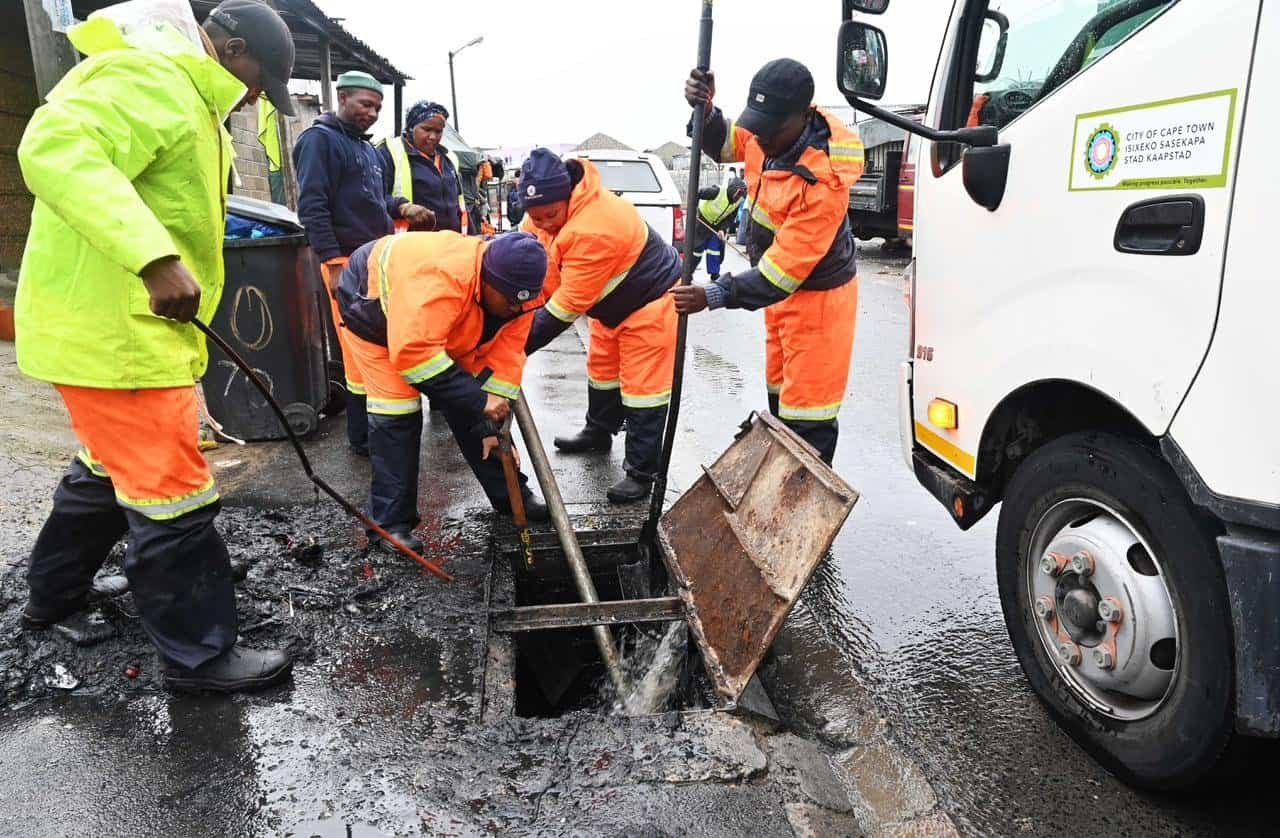
According to the department, the viruses were detected through proactive testing of wastewater and municipal sewage systems, part of an ongoing public health strategy used to identify emerging outbreaks and viral variants early.
Health officials believe the detected strains are likely linked to people vaccinated outside South Africa with oral polio vaccines different from those currently used locally. South Africa mainly uses the inactivated polio vaccine as part of its routine immunisation programme.
Mohale stressed that the discovery does not mean South Africa is experiencing a polio outbreak.
“This does not translate to an outbreak. South Africa remains officially polio-free, and the country continues to maintain strong surveillance and outbreak preparedness systems,” he said.
South Africa was officially certified polio-free by the World Health Organisation African Regional Certification Commission in September 2019.
Despite the reassurance, the latest detection highlights the growing importance of disease surveillance systems as global travel and migration increase the risk of cross-border transmission of infectious diseases.
Polio is a highly infectious viral disease that mainly affects children under the age of five. In severe cases, it can attack the nervous system, causing paralysis and breathing complications. Although major vaccination drives have drastically reduced global cases over the decades, sporadic outbreaks linked to vaccine-derived strains still occur in some countries with low immunisation coverage.
The Department of Health said it has now intensified surveillance measures in Cape Town and increased the frequency of wastewater sampling as a precautionary measure.
The department also confirmed that outbreak preparedness plans remain active to ensure rapid intervention should any clinical cases emerge.
“While there is no need for the public to be concerned, members of the public are urged to remain vigilant and ensure timely reporting of any suspected symptoms of polio to the nearest healthcare provider,” Mohale added.
Health authorities warned that symptoms such as progressive muscle weakness, fatigue, muscle wasting, difficulty breathing or swallowing, and joint pain should not be ignored, although these symptoms may also be linked to other medical conditions.
Public health experts say wastewater surveillance has become a critical early-warning tool, particularly after the COVID-19 pandemic demonstrated how sewage testing can help detect viral activity before patients begin arriving at clinics or hospitals.
The Department of Health and NICD said they would continue closely monitoring the situation while keeping the public informed of any significant developments.
Five facts about polio and the latest Cape Town detection:
- Polio is a vaccine-preventable disease that mainly affects young children.
- No human polio cases have been detected in South Africa following the wastewater findings.
- South Africa was declared polio-free officially in 2019.
- The detected strains are believed to be linked to vaccines used outside South Africa.
- Wastewater surveillance helps health authorities detect viruses before outbreaks spread in communities.