The Covid-19 pandemic, disruptive technologies, and current developments in changing global geopolitics, specifically the US travel ban on 21 countries and counting, as well as the raging war in the Middle East, have led to a dire situation that requires repositioning of internationalisation in the higher education landscape. The COVID-19 pandemic disrupted traditional internationalisation activities, further stretching already limited resources and impacting international student and staff mobility. To date, delays in study visa processing continue to pose a major obstacle to seamless access for international students.
In January 2018, the POTUS, Donald Trump, referred to unspecified African countries, Haiti and El Salvador as “shtole” nations. By 2025, he announced restriction of entry of foreign nationals to the US, as well as imposing tariffs on several nations. The sweeping changes that were announced by the POTUS in 2025 impacted several countries, including SA, which felt the wrath in different fronts. This affected funding of various programmes for higher education institutions, such as the USAID and travel restrictions. The war in Iran has compounded the issues.
As higher education institutions, universities are expected to be involved in internationalisation, which has challenges that include navigating a multilayered context affected by local, national, regional, and global factors. Within a university context in SA, internationalisation is defined by the department of higher education and training as “an intentional or steered process to incorporate intercultural, international and/or global dimensions into higher education in order to advance the goals, functions and delivery of higher education and thus to enhance the quality of education and research.” The DHET Framework does not make provision for funding internationalisation in universities, therefore one of the key challenges for internationalisation involve funding constraints and lack of capacity in internationalisation offices, especially since the majority of mobility and capacity-building initiatives still depend heavily on North American and European sources.
Compounding the aftermath of Covid-19, US restriction, is the challenges of aligning international partnerships with national transformation agendas while balancing the recruitment of foreign academics with developing local talent. These issues emerged strongly and become highly contested, specifically as the SA higher education continue to engage with parliamentary portfolio committee on higher education. Furthermore, digital inequalities and the need to innovate in virtual collaboration and online learning to overcome access and equity issues in internationalisation is also an issue in almost all African countries. Resource limitations, policy inconsistencies, and sometimes low trust between stakeholders also pose obstacles to forming sustainable and impactful international partnerships.
Scholars have argued that internationalisation in universities often benefits the few elites, exacerbating inequalities in access and resources. While internationalisation promises global engagement and mobility, it frequently favours the wealthy, and top institutions, leaving broader student populations, particularly in developing regions like Africa. Most of the students in Africa are from disadvantaged backgrounds and face several challenges that hamper their engagement in internationalisation. Financial barriers are among the most significant, limiting their ability to afford travel, international study fees, and associated costs. Language barriers and unfamiliarity with foreign academic cultures also hinder their full participation in international programs. This issue is compounded by limited awareness of international opportunities and inadequate tailored support mechanisms, which further restrict access to global experiences.
With these infinite challenges, universities need to reposition internationalisation to respond to new geopolitical era for this to be sustainable. Some of the practical short- to medium-term solutions include:
- Increasing targeted financial support such as scholarships, bursaries, and travel grants to mitigate economic barriers for students from disadvantaged backgrounds.
- Developing tailored orientation programmes and academic support services that address language, cultural adjustment, and digital literacy needs to enhance student preparedness and confidence.
- Strengthening institutional partnerships that foster equitable collaboration, including joint degree programs, research projects, and staff exchanges with clear implementation plans beyond MoU signing.
- Advocating for policy frameworks at the national and institutional level that integrate internationalisation into core academic missions and incentivize meaningful engagement across faculties.
- Promoting African-centred, decolonial approaches to internationalisation that emphasise South-South partnerships and inclusive, contextually relevant knowledge production.
- Facilitating systemic collaboration among universities via platforms like Universities South Africa to drive strategic global engagement and share best practices tailored to South African realities.
- Expanding and enhancing digital infrastructure and access to reliable internet and devices to support virtual mobility and internationalisation-at-home initiatives.
In the midst of these challenges, Unisa, which is a comprehensive open distance e-learning (CODeL) institution with footprints in the African continent, Europe, Asia and the Americas is contributing to the transformation of internationalisation, through inclusive collaborations. The University has concluded memorandum of understanding / agreements with over 50 universities in countries from these continents with international students located in over 110 countries in the world studying through CODeL.
Unisa prioritises inclusive access by leveraging technology to deliver flexible, contextually relevant education that reaches marginalised students often excluded from traditional campus-based internationalisation opportunities. The University’s internationalisation approach integrates virtual mobility programmes, digital collaborations, and online intercultural exchanges to foster cultural competence among the students. As a result, the university has implemented processes to ensure that internationalisation is embedded in its curriculum and student support activities, ensuring relevance to African and global development goals while cultivating intercultural competence and knowledge exchange. Additionally, Unisa emphasises proactive communication and student support services tailored to off-campus learners, thereby bridging awareness gaps and participation barriers. This model aligns with its strategic vision to be a continentally responsive and globally connected CODeL institution that democratises higher education through innovative international partnerships and digital inclusion.
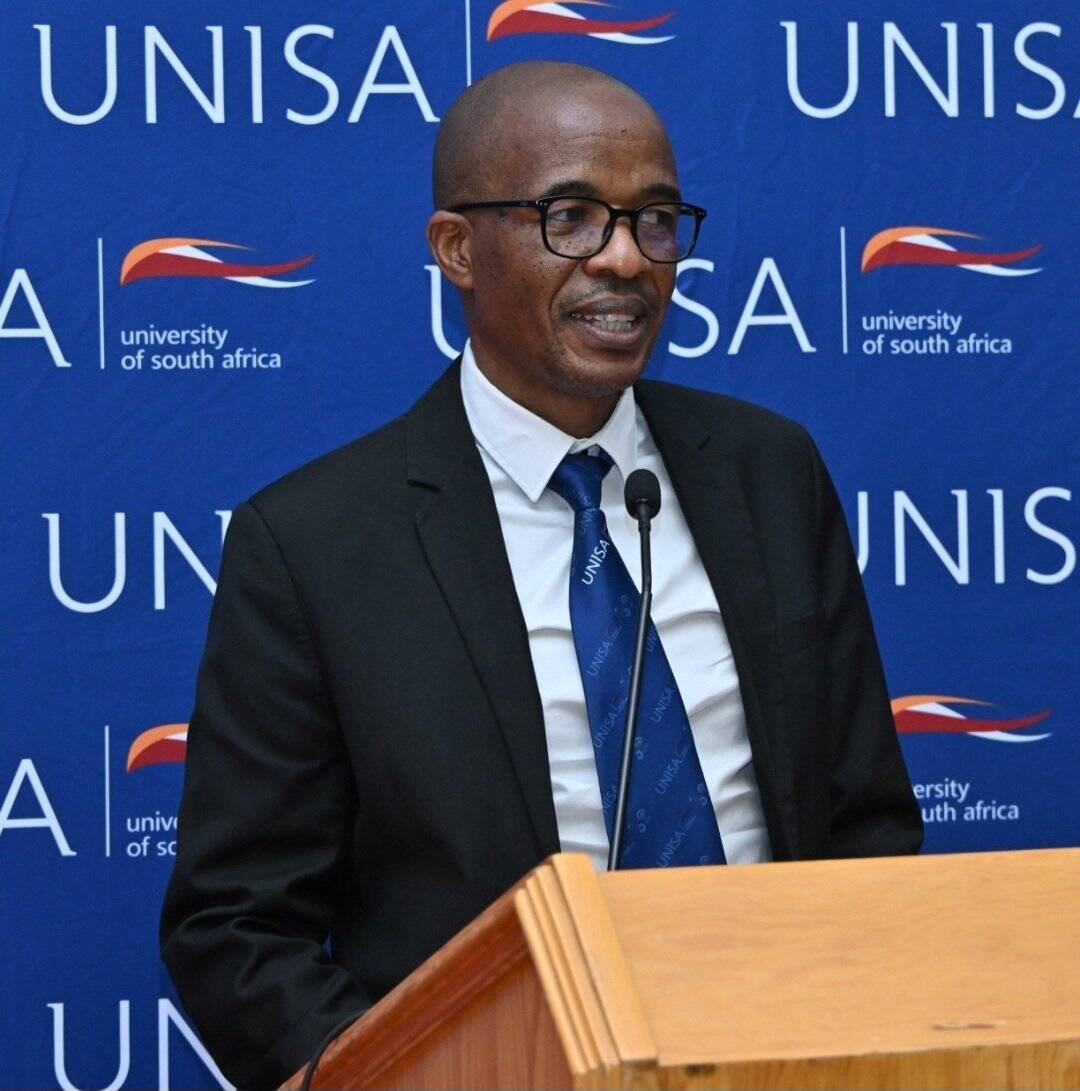
Ngoepe is the Acting Vice-Principal: Research, Postgraduate Studies, Innovation and Commercialisation.
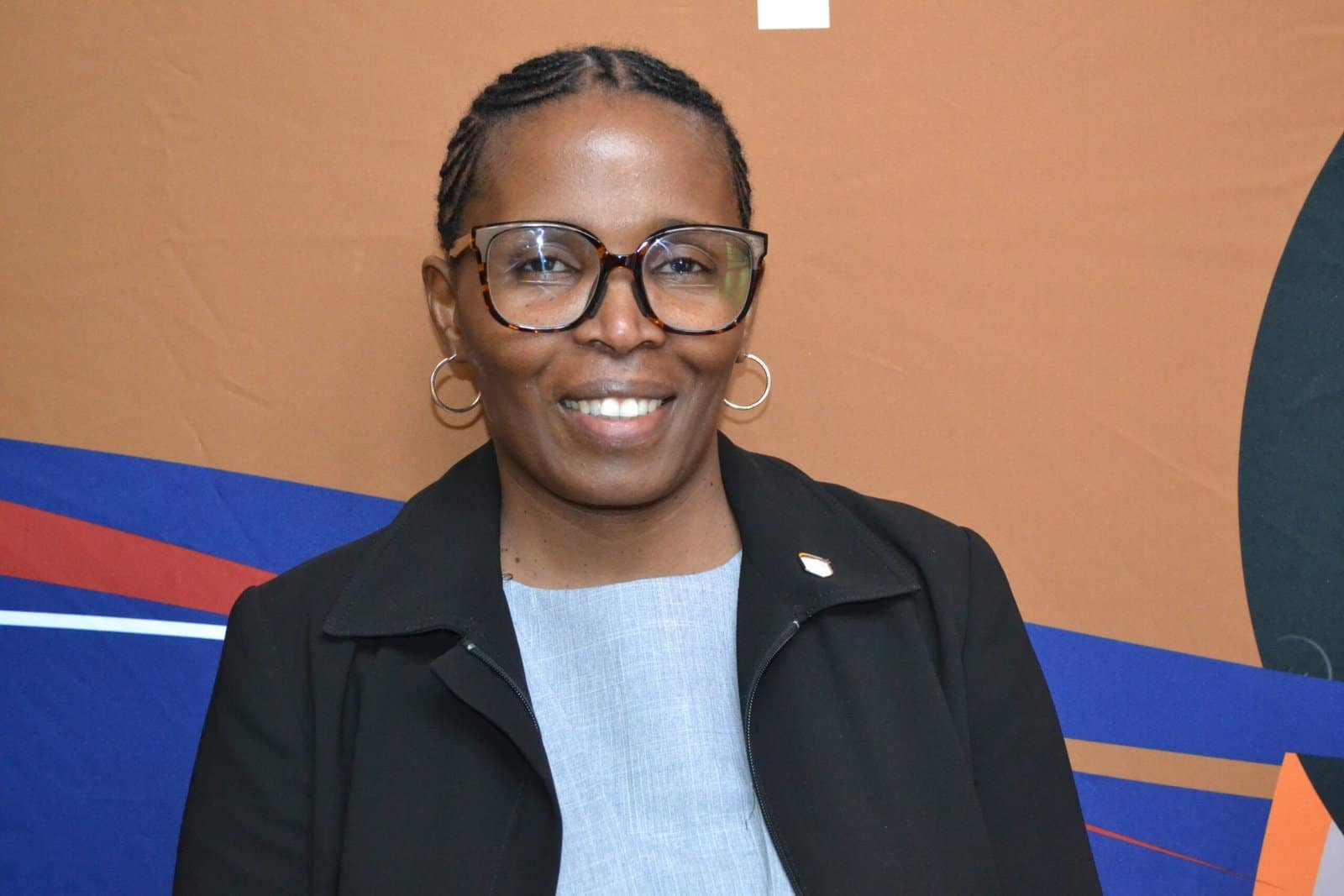
Magabane is the Director: Internationalisation and Partnerships, both at Unisa.